
One Day in Munich
A tight but realistic plan for one day in Munich — a morning in the Old Town built around the Glockenspiel, a market lunch, the Residenz or a museum in the afternoon, and a beer-hall evening, all on foot and without a wasted step.

Photo: Jonathan Rathgeb / Unsplash

- ✓One day is genuinely enough for the essence of Munich — the Old Town is small, flat and walkable, so a single well-judged loop delivers the headline city.
- ✓Build the day around two fixed points: the 11:00 Glockenspiel on Marienplatz, and a beer hall or beer garden in the evening.
- ✓The whole plan is on foot, with one optional tram or U-Bahn hop; almost everything sits inside the old ring road.
- ✓Don't try to add a palace or a museum marathon to a single day — the one-day win is depth in a small area, not a dash across the map.
- ✓Hours, tower-climb times and ticket needs shift year to year; verify anything time-sensitive on the official sites before you build a tight schedule.
What one day in Munich can realistically be
Munich is one of the most rewarding cities to see in a single day, because its centre is compact, flat and beautiful, and almost every headline sight sits within a short walk of the others. You won't see everything — no one should try to fit a palace, the museums and a day trip into one date — but you can come away having genuinely experienced the city: the great square and its chiming clock, a rooftop view, a famous food market, a royal palace or a world-class museum, a park, and a beer hall at the end. That's a full, satisfying Munich day, and you can do all of it on foot.
This plan is ordered as a single loop through the day, with realistic timings and slack built in. It assumes a central base, decent weather and a normal start; if you're arriving by train it works straight off the Hauptbahnhof, and if you're on a long layover, see the dedicated airport-layover guide for whether the trip into town is worth your hours. Treat the order as a spine rather than a script — the Altstadt is dense enough that you'll want to wander off it, and you should.
One structural note that shapes the whole day: Munich's shops close on Sundays and public holidays, but its museums, churches, parks and beer gardens stay open. So if your one day is a Sunday, lean the plan toward the Residenz or a museum and the park-and-beer-garden evening, and don't expect the shopping streets to be lively. Any day of the week, keep one slot loose for the detour you'll inevitably take, and verify opening hours and ticket requirements before you set out, because they change.
- Shape of the day: Old Town morning → one big sight early afternoon → park and beer hall by evening.
- Distance: a few kilometres on flat cobbles and pedestrian streets; comfortable shoes essential.
- Cost: free to walk; optional spends are a tower climb, one museum or palace, and your food and beer.
- Start point: Marienplatz (U3/U6, S-Bahn, trams) — or straight from the Hauptbahnhof on foot.
- If it's a Sunday: weight toward indoor sights and the park; the shops will be closed.

Morning · Marienplatz and the Glockenspiel
Begin where Munich has begun since 1158: Marienplatz, the central square. Aim to arrive a little before eleven, because at 11:00 the Glockenspiel in the tower of the neo-Gothic New Town Hall springs into motion — 43 bells and 32 near-life-size figures re-enacting a sixteenth-century ducal wedding and the coopers' Schäfflertanz. It runs daily at 11:00 and again at noon year-round, with an extra afternoon show (usually around 17:00) added in the warmer months; arrive a few minutes early and find a spot with a clear sightline up to the figures, because the small square gets busy at showtime. The seasonal timetable is tweaked by the city, so confirm the current times if you're planning a tight morning around it.
Before or after the chimes, take in the square itself: the Mariensäule, the gilded Marian Column raised in thanks for the city's survival of the Thirty Years' War; the older Altes Rathaus closing the eastern end; and the lanes radiating off in every direction. This is your hub for the morning — you'll cross back through it more than once — so get your bearings here before you start moving.

Late morning · Climb Alter Peter, then the Viktualienmarkt
Cross to the south side of the square to St. Peter's — Alter Peter to everyone who lives here, the oldest parish church in the centre. A tight spiral staircase (no lift) climbs to a viewing gallery that looks straight down onto Marienplatz and across the rooftops to the Frauenkirche's twin domes; on a clear Föhn day you can even pick out the Alps. It's the best rooftop view in the Old Town and, for a modest climb and small fee, the best value too. Go up before the queue builds on the narrow stairs.
Back at ground level, it's a one-minute walk south to the Viktualienmarkt, Munich's permanent open-air food market. Stalls of cheese, charcuterie, honey, herbs and flowers cluster around a maypole, and in the middle sits a small beer garden that rotates its pour between the city's six breweries through the year. This is the best place on the route for an early, stand-up lunch among the stalls — a Brezn and a Weißwurst (eaten before noon, peeled not cut, with sweet mustard), or a warm Leberkässemmel. Eat here and you've packed the morning's walking, the city's best view and a proper Bavarian bite into barely a kilometre.


Around lunch · A church detour: the Asamkirche or the Frauenkirche
With lunch in hand, fold in one of the Old Town's two great church stops — both free, both a short walk from the market, and either makes a perfect ten-minute interlude. The dramatic choice is the Asamkirche, a few minutes down Sendlinger Straße: a tiny late-Baroque church the Asam brothers built in the 1730s beside their own home. The narrow facade gives nothing away; step inside and the small space erupts in gold, swirling stucco and a ceiling fresco that seems to dissolve the roof. It's one of the most concentrated bursts of Baroque drama in Europe, and most visitors miss it.
The grander choice is the Frauenkirche, the Cathedral of Our Lady, whose twin onion-capped towers are the symbol of the Munich skyline — the domes you've been seeing from every rooftop. The brick-Gothic interior is vast, bright and surprisingly plain, rebuilt after the war, and just inside the entrance is the Teufelstritt, the 'Devil's Footstep', a dark mark in the stone tied to a centuries-old legend. Pick whichever is closer to where your morning has wandered, or do both if you're moving briskly; neither takes long, and the pedestrian lanes between Marienplatz and the cathedral — Kaufingerstraße and the smaller streets off it — are good window-shopping and people-watching in their own right.


Early afternoon · One big sight: the Residenz or a museum
The afternoon is for one substantial indoor sight — and the discipline of a single day is to choose one rather than chasing several. The most fitting choice for an Old Town day is the Residenz, the Wittelsbachs' enormous city palace, hidden behind a deliberately plain street facade a short walk north-east of the cathedral. Inside are more than a hundred rooms: the barrel-vaulted Renaissance Antiquarium, a shell-encrusted grotto courtyard, gilded state apartments, and — as separate tickets — the Treasury of crowns and reliquaries and the perfect rococo Cuvilliés Theatre. You can spend anywhere from ninety minutes to half a day here; on a one-day trip, give it a focused hour and a half and let the rest of the city wait.
If your tastes run elsewhere, swap the palace for a museum, but still pick just one. Art lovers can take a short tram or U-Bahn hop up to the Kunstareal in Maxvorstadt for a Pinakothek — the Alte for Old Masters, the Pinakothek der Moderne for twentieth-century art and design. Families and the science-minded should cross the Isar to the Deutsches Museum, one of the world's great science-and-technology museums, with hands-on halls that easily fill an afternoon. Whichever you choose, check the day's opening hours and any ticket requirements first — some museums close one day a week (often Monday), and a wasted journey to a shut door is the classic one-day mistake.
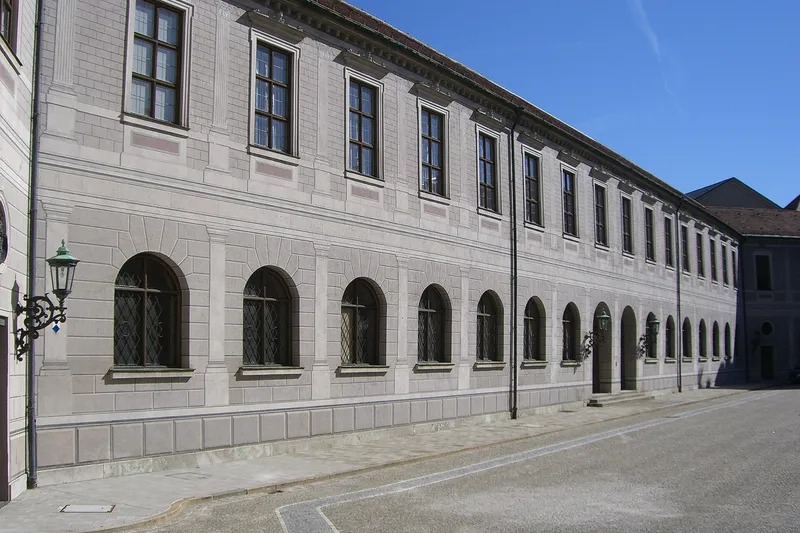 Munich Residenz guideA room-by-room plan of the city palace, plus the Treasury and Cuvilliés Theatre.
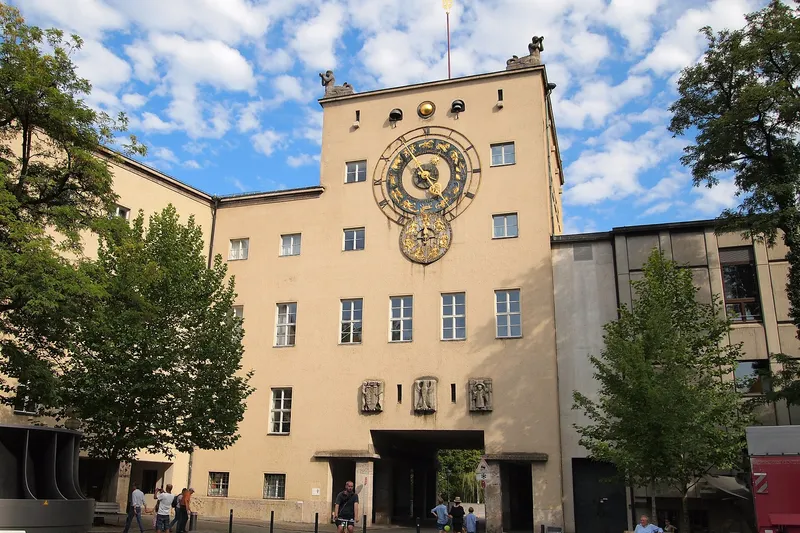 Deutsches MuseumThe hands-on science-and-technology museum across the Isar — a strong family alternative.
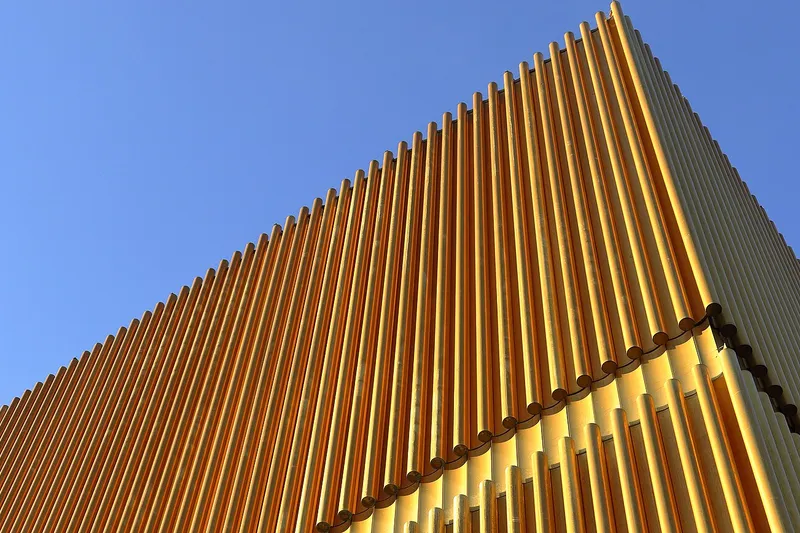 Kunstareal museum quarterThe Pinakotheken and the Brandhorst, a short hop north, for an art afternoon instead.
Late afternoon · Odeonsplatz, the Hofgarten and a breath of the English Garden
Step out of the Residenz and the streets open onto Odeonsplatz, with the butter-yellow Italianate Theatinerkirche, the Feldherrnhalle loggia, and the gateway into the Hofgarten. This grand square marks the northern edge of the Old Town and the threshold of the royal city the kings of Bavaria laid out in the nineteenth century — a satisfying shift in scale after the tight medieval lanes.
Walk through the gate into the Hofgarten, the formal Renaissance court garden behind the Residenz: gravel paths running in straight lines to a domed pavilion, framed by arcades and clipped hedges, with people playing boules on a fine afternoon. It's the most elegant pause of the day. If you still have energy and the weather's kind, keep going north into the southern tip of the English Garden — bigger than New York's Central Park — to watch the Eisbach surfers ride their permanent standing wave, a genuinely surprising sight that draws a crowd year-round. This is the day's green, golden-hour stretch, and it sets you up perfectly for the evening.


Evening · Finish in a beer hall
End the day the way Munich does: in a warm, loud, communal beer hall. The most famous is the Hofbräuhaus, a short walk east of Marienplatz — clichéd, yes, but worth one brass-band evening of long shared tables, litre Maß glasses, pretzels the size of plates and the full Bavarian spread of roast pork, dumplings and sausages. If the Hofbräuhaus is heaving, the surrounding streets hide quieter, equally good alternatives, and the city's other great halls and cellars are a tram-ride away. Whichever you pick, a roofed beer hall is the warm, sociable way to land a day on your feet — and you'll be a few minutes from where you began.
If you'd rather end gently, the day adapts. Swap the beer hall for a quieter traditional Wirtshaus, a candlelit dinner in the Glockenbachviertel, or — in warm months — a beer garden under the chestnut trees, with the Chinese Tower in the English Garden the classic choice if you've walked up that way. One small encore worth knowing if you're still near Marienplatz late: the Glockenspiel plays a brief, lesser-known evening sequence around 21:00 — a night watchman and angel putting the Münchner Kindl to bed — a quiet, near-empty contrast to the noon crush. Whatever the register, the structure holds: you've seen the great square, the rooftops, the market, a palace or museum, a park and a proper Bavarian meal, all in one walkable day.
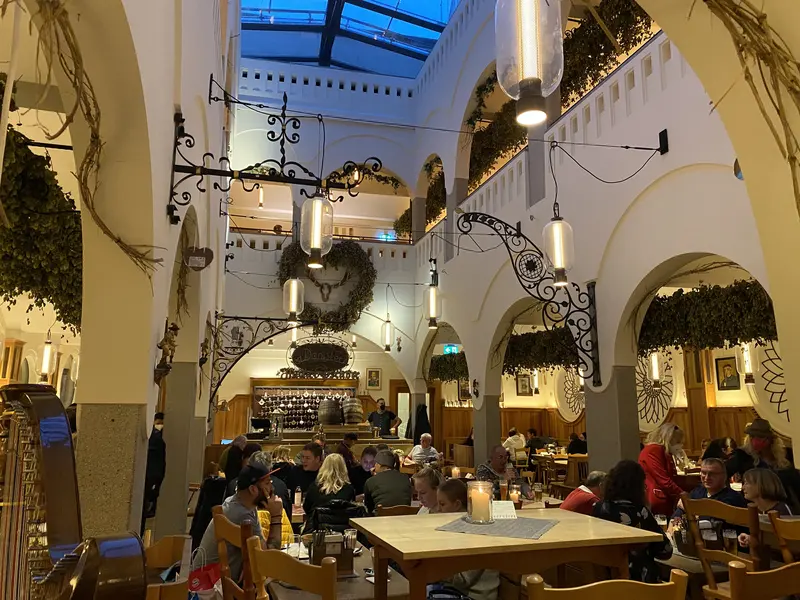

If it rains, and other adaptations
The plan works in any weather with small adjustments. If it rains, lean the day indoors: spend longer in the Residenz or a museum, weight your church stops (the Asamkirche and the Frauenkirche are both roofed and free), shorten the park stretch, and make the beer hall — rather than a beer garden — your evening. Munich is exceptionally well set up for a wet day, with its great museums and warm halls, so rain need not spoil a one-day trip. If it's hot, flip the logic: start early to beat both the heat and the cruise-ship crowds on Marienplatz, do the indoor sight in the warmest part of the afternoon, and save the English Garden, the river and a beer garden for the cooler evening.
Two timing details are worth holding in mind. First, the Glockenspiel at eleven is the day's one truly fixed point — plan the morning around it. Second, if your one day falls on a Sunday or a public holiday, the shops are closed but everything in this plan that matters stays open, so you lose almost nothing; just don't expect lively shopping streets. And because the whole route sits inside the old ring, you're never more than a few minutes from a U-Bahn or tram if you want to cut a leg or shelter from a downpour.
Above all, don't over-engineer a single day. The temptation is to bolt on a palace and three museums and a castle day trip; resist it. One great square, one rooftop, one market, one big sight, one park and one beer hall, enjoyed unhurried, will leave you liking Munich far more than a frantic dash ever would — and wanting to come back for the second day, which is exactly when the city really opens up.
- Rain plan: more time in the Residenz/museum and churches; shorter park; beer hall not garden.
- Hot-day plan: start early, indoor sight at midday, park and river in the cool evening.
- The one fixed point is the 11:00 Glockenspiel — build the morning around it.
- On a Sunday you lose only the shopping; every key stop here stays open.
- Resist over-packing — one of each kind of sight, unhurried, beats a frantic checklist.


Shorter on time? A half-day express version
If your one day is really only a few hours — an early flight out, a long layover, a stop between trains — compress the plan into a tight Old Town express that still feels like Munich. The core is a single loop you can do in two to three hours: start on Marienplatz (catch the Glockenspiel if the timing lands), climb Alter Peter for the rooftop view, walk down to the Viktualienmarkt for a stand-up Brezn and Weißwurst, and circle back past the Frauenkirche's twin domes. That alone gives you the great square, the best view, the famous market and the cathedral skyline — the irreducible essence of the city — without ever leaving a compact few blocks.
If you can stretch to four or five hours, add one indoor sight or a slower meal: a focused hour in the Residenz, a sit-down Bavarian lunch in a Wirtshaus, or a quick walk up to the Hofgarten and the Eisbach surfers. The key with a short visit is to resist hopping on transit to chase a far-flung sight; the payoff is almost always worse than going deeper on foot in the centre. From the Hauptbahnhof, the whole express loop is a ten-minute walk away, and from the airport the S-Bahn is roughly forty-five minutes each way — factor that round trip honestly into how much time you really have, and see the layover guide if you're cutting it fine.

Getting around, and a note on tickets
The good news for a one-day trip is that you'll barely need transport at all — this plan is built to be walked, and the only point you might ride is the optional hop up to the Kunstareal museums or out to the Deutsches Museum, both a few minutes on the U-Bahn, S-Bahn or tram. If you'll make even two or three rides across the day, a single MVV day ticket almost always works out cheaper than buying singles, and it covers the U-Bahn, S-Bahn, trams and buses on one pass. Validate where required and navigate by line and colour rather than station name, as locals do.
If you're arriving and leaving by air on the same day, build the airport S-Bahn into your timetable rather than discovering it at the end: the S1 and S8 both link the airport to the centre in roughly forty-five minutes, and that ninety-minute round trip eats into a short day fast. Travelling from the Hauptbahnhof instead, you're already on the doorstep of the Old Town — a ten-minute walk or two stops on the S-Bahn drops you at Marienplatz. Either way, a little transit planning up front keeps the day on foot and unhurried, which is exactly how Munich is best seen.


At a glance
What it covers: a tight, realistic single day in Munich, on foot, from morning to a beer-hall evening.
Morning: Marienplatz and the 11:00 Glockenspiel, Alter Peter for the view, the Viktualienmarkt for lunch.
Midday: a free church stop — the Asamkirche or the Frauenkirche.
Afternoon: one big sight — the Residenz, a Pinakothek or the Deutsches Museum (pick one).
Late afternoon: Odeonsplatz, the Hofgarten and a breath of the English Garden.
Evening: a beer hall — the Hofbräuhaus or a quieter alternative; a beer garden in warm months.
- Distance: a few kilometres, flat, on cobbles — comfortable shoes essential.
- The one fixed point: the Glockenspiel at 11:00. Everything else flexes.
- Choose one big afternoon sight; do not chain three.
- Verify hours, tower-climb times and museum closing days before you set out.
- Keep one slot loose for the detour the Altstadt will tempt you into.

Marienplatz, Munich
How to see Munich's central square — the New Town Hall and Glockenspiel, the Marian Column, the Old Town Hall and the food stops a minute away.
Read guide
Munich Old Town Walk
A self-guided walking route through Munich's Altstadt — linking Marienplatz, the great churches, the Viktualienmarkt, the royal streets, the city gates and the beer halls in one easy loop.
Read guide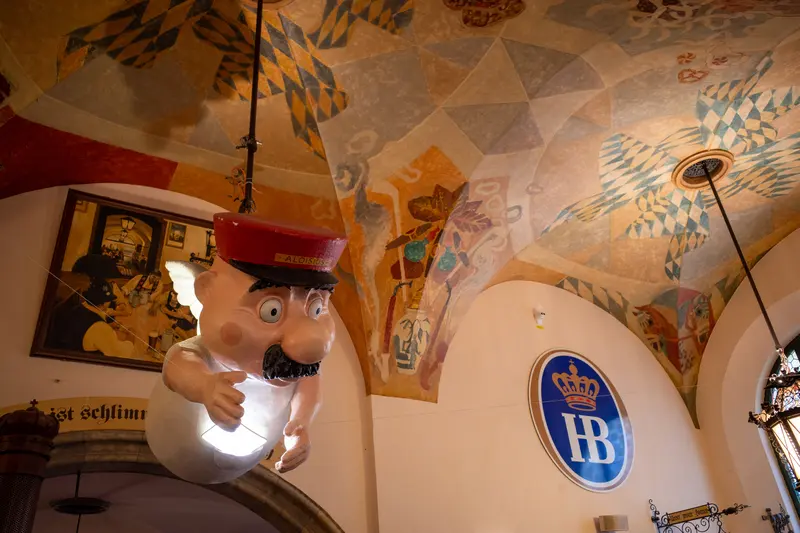
Hofbräuhaus, Munich
What to expect at Munich's most famous beer hall — how the seating works, what to order, when to go to dodge the worst crowds, and whether it's worth it.
Read guideMore in Itineraries
6
A Weekend in Munich
A Friday-to-Sunday weekend in Munich planned the way a city break actually runs — arrival-evening logic, a full Saturday of sights and gardens, a slower Sunday that works around the shops being shut, with hotel-area, dinner-timing and no-wasted-transit advice throughout.
Read guide
Four Days in Munich
A slower four-day Munich itinerary that adds the things three days has to skip — a proper neighbourhood day, more museums and beer gardens, and one big day trip into the Alps or to the lakes — built for travellers who want to live the city rather than tick it off.
Read guide
Local Munich Beyond the Old Town
Where Munich actually lives once you've seen Marienplatz — the village-feel neighbourhoods, the riverside, the local cafés and markets, the parks and the beer gardens that locals fill, with a route to weave them into a slower second or third day.
Read guide
Luxury Munich Itinerary
A high-end, unhurried plan for Munich — grand-dame and design hotels, private guides, fine dining, palaces and treasuries, the opera, and an Alpine or lakeside add-on, built around comfort and time rather than a packed schedule.
Read guide
Munich Airport Layover Guide
How to spend a layover at Munich Airport — when a dash into the city is realistic, how long you really need, what to do without leaving, and when it's smarter to stay near the terminals.
Read guide
Munich Art & Museums Itinerary
A rain-proof culture itinerary for Munich — a focused day in the Kunstareal among the Pinakotheken and the Blue Rider, a science day at the Deutsches Museum, and a cars-and-modern-architecture option around BMW and Olympic Park, with how to pair them without museum fatigue.
Read guide