
Four Days in Munich
A slower four-day Munich itinerary that adds the things three days has to skip — a proper neighbourhood day, more museums and beer gardens, and one big day trip into the Alps or to the lakes — built for travellers who want to live the city rather than tick it off.

Photo: Jan Antonin Kolar / Unsplash

- ✓Four days lets you do everything a three-day trip does and still keep a whole day for the local neighbourhoods and beer gardens beyond the Old Town.
- ✓The fourth day buys breathing room: a slower pace, a second museum or palace, time for the Isar, the markets and the quarters most visitors never reach.
- ✓One full day still goes to a day trip — Neuschwanstein, the Zugspitze, the lakes, Salzburg or the Dachau memorial, all reachable by train.
- ✓The whole plan runs on the walkable Altstadt core plus the MVV transit network, so no day is built around a car or a long transfer.
- ✓Everything here is evergreen; confirm current opening hours, prices, timed-entry slots and any reservations against official sources before you go.
How to use this four-day plan
Four days is the length that turns a sightseeing trip into a stay. Three days covers Munich's essentials — the Old Town, a royal palace, the museum quarter and a day trip — but it has to move at a clip and skip the parts of the city that make it worth loving: the local neighbourhoods, the riverside, the beer gardens you stumble into, the second museum you would never otherwise have time for. The fourth day is where that breathing room goes. This plan keeps the proven three-day spine and adds a genuinely relaxed local day, so you leave feeling you have lived in Munich rather than ticked it off.
The structure is the same loose skeleton the city rewards. Munich is compact, flat and superbly connected, so each day picks a few set-pieces and leaves real gaps for a second coffee, a market lunch, an unplanned church or an hour in a garden. Swap the order to follow the weather — the day trip in particular wants a clear forecast — drop anything that does not appeal, and protect the one rule that makes a Munich day work: aim a viewpoint or a beer garden at the late afternoon, when the light is best and the city is at its most relaxed.
On logistics: the city's public transport — U-Bahn, S-Bahn, trams and buses, all on one MVV ticket — is fast and frequent, and a day ticket usually beats singles if you will hop on more than twice. The Altstadt is walkable end to end in under twenty minutes. Sundays close most shops but leave parks, churches, museums, cafés and beer gardens open, so they make a fine slow day. And anything ticketed or seasonal below should be double-checked for current hours and prices before you set off.
Day one — the Old Town, the market and a rooftop view
Give the first day to the Altstadt, the old city inside Munich's ring, almost all of it on foot. Start slowly with coffee and a pastry, then walk into the historic core while it is quiet. Marienplatz is the natural beginning — the neo-Gothic New Town Hall, the golden Mariensäule column, and the Glockenspiel high in the tower, whose figures re-enact a ducal wedding and the coopers' dance. It plays at 11:00 year-round, with extra performances at noon and, in the warmer months, at 17:00; arrive a few minutes early for a clear sightline.
From the square, climb the tower of St. Peter's — Alter Peter, opposite Marienplatz — for the best rooftop view in the centre, looking down onto the square and out to the Alps on a clear day. Come down and graze the Viktualienmarkt, the open-air food market a minute away, with its own little beer garden under the maypole. Then look in on the gilded little Asamkirche on Sendlinger Straße and the twin-domed Frauenkirche, the brick cathedral that is the symbol of the skyline. Spend the rest of the afternoon finishing the Old Town loop at your own pace and aim for a beer garden or, in winter, a beer hall in the late afternoon — the Hofbräuhaus once for the spectacle, or a quieter hall the locals prefer. Keep the first evening low-key with a proper Bavarian dinner near your hotel.
 Munich Old Town walkThe full self-guided route through Marienplatz, the churches, the market and the gates.
 MarienplatzThe central square, the New Town Hall and the Glockenspiel times to plan the morning around.
 St. Peter's towerThe climb for the best rooftop view over the Old Town, with timing and crowd tips.
Day two — a royal palace and the museum quarter
Day two pairs Munich's grandest royal set-piece with its richest cluster of art. Give the morning to Schloss Nymphenburg, the vast baroque summer palace of the Bavarian kings, a short tram west of the centre. The interiors reward a ticket — the Stone Hall, the Gallery of Beauties — but the free romantic heart of the visit is the long formal canal mirroring the façade and the huge park behind, with wooded paths, pavilions, a cascade and lakes. Wander the grounds, lose the crowds, and have a light lunch before heading back.
Spend the early afternoon in the Kunstareal, Munich's museum quarter in Maxvorstadt, where the Alte Pinakothek, the Pinakothek der Moderne, the Brandhorst and the Lenbachhaus sit within a few minutes of each other. With four days you can afford a generous museum visit — pick one or two and take them slowly. The neighbourhood's cafés are among the best in the city for a pause between rooms. Then make the late afternoon a walk in the English Garden: the river surfers on the Eisbach wave, the hilltop Monopteros for the golden-hour view, and, in the warm months, a Maß under the chestnuts at the Chinese Tower beer garden. Dinner this night can go further afield — the design bars and small restaurants of the Glockenbachviertel, or a polished Old Town room. Book ahead at weekends.


Day three — the local day beyond the Old Town
This is the day four days buys you, and it is the one most three-day visitors never get: a slow day in the Munich locals actually live in, away from Marienplatz. There is no single route — the point is to pick a quarter or two and let them set the pace. Haidhausen, across the river, has village-like squares and the streets of its French Quarter; the Glockenbachviertel and Isarvorstadt hold the design shops, the markets and the bars; Schwabing keeps its bohemian cafés along the edge of the English Garden; and Westend and Neuhausen offer leafy, food-forward streets with barely a tourist in sight.
Build the day around the Isar, the fast green river that runs through the city. In the warm months its gravel banks become Munich's beaches, perfect for a picnic with whatever you bought at the market; year-round the riverside paths make one of the best long walks in the city, threading past beer gardens, weirs and bridges. Fold in a second museum if the mood takes you — the Deutsches Museum on its island in the Isar is a half-day of science and machines, ideal here — or simply graze the neighbourhood markets, sit out a long café afternoon, and shop the quarters the Old Town shops cannot match.
The freedom of this day is the point: it has no must-sees, which is exactly why it is the one people remember. Aim, as always, to be somewhere good for the late afternoon — a riverside beer garden, a neighbourhood square, a quiet stretch of the English Garden — and let the evening unfold in whichever quarter you have spent the day. This is where you find your own Munich rather than the postcard one.
 Local Munich beyond the Old TownThe quarters, markets and corners that turn a visit into a stay, away from the centre.
 The Isar riverWhere to walk, picnic and sit out a long afternoon along the city's green river.
 HaidhausenA village-like quarter across the river, with its French Quarter streets and local tables.
Day four — a day trip into Bavaria
Save the day trip for last and let Bavaria turn the scenery up to its full Alpine setting. The choice comes down to how far you want to travel and what the forecast is doing. The icon is Neuschwanstein, Ludwig II's fairy-tale castle in the foothills near Füssen — a full day with a timed castle entry to book well ahead, set in spectacular scenery. For raw mountain drama, the Zugspitze cog railway from Garmisch-Partenkirchen climbs to Germany's highest point and the turquoise Eibsee, a showstopping day when the weather is clear.
For a gentler escape, the lakes are the most restful: Starnberg and Ammersee are barely day trips at all, with steamer cruises, shoreline walks and lakeside cafés. Salzburg, over the Austrian border, is around an hour and a half east by train for a complete change of city and country. And the Dachau Concentration Camp Memorial Site, about twenty minutes out on the S2, is a sobering, essential half-day for anyone who can make it — best approached unhurried, with the morning free.
Whichever direction you choose, plan around the trains: most run on regional services where a day or group ticket can be excellent value, and an early departure buys a calmer day with a comfortable timing buffer. Come back in the evening for a final dinner — and if the weather has been kind, a last walk across the floodlit Old Town squares or along the Isar. Four days is enough to know the city, eat well, find a neighbourhood of your own and still touch the mountains.

Where to stay for four days
On a four-day stay the base matters even more, because you will come back to it tired each evening and head out from it for the day trip. The rule holds: stay central enough to walk to the Old Town and close enough to a transit line for the palace, the parks, the local quarters and the day trip. The Altstadt is the most walkable and most expensive; the streets just outside the ring trade a few minutes' walk for better value and a more local feel — which suits the neighbourhood day on this plan especially well.
For a first four-day trip, the station area is the practical pick for connections and value, with the airport S-Bahn, every U- and S-Bahn line and the regional day-trip trains at the door. If you would rather wake up somewhere handsome and quiet, Lehel and Maxvorstadt are central but calm, and a stay in a more residential quarter like Haidhausen or Neuhausen leans nicely into this plan's local day. We keep area-by-area and hotel guides so you can match the base to the trip you are taking.


Seasonal notes and a few practicalities
Munich changes with the season, and so does this plan. Summer brings long evenings, beer gardens and the Isar beaches at their best, and the outdoor days and the local day shine; book the day-trip trains and any castle entries early in peak season. Autumn turns the parks gold and is the prettiest, quietest time. Winter swaps beer gardens for beer halls and adds the Christmas markets, leaning the plan toward museums, palaces and cafés. Spring is the in-between bargain, with thinner crowds.
Two seasonal warnings: Oktoberfest, roughly mid-September to early October on the Theresienwiese, sends hotel prices soaring and fills the centre, so book far ahead if your dates overlap — and the major trade fairs do the same with less warning. A four-day stay is long enough that an overlap with either is worth checking when you book.
A few practical notes that smooth any longer trip. Sundays close the shops but not the parks, churches, museums, cafés or beer gardens, so make a Sunday your slow local day rather than a shopping one. The MVV day ticket beats singles once you are hopping on transport more than twice. Restaurants want booking ahead at weekends. Carry some cash for the traditional spots that still prefer it. And for everything ticketed or seasonal in this plan — Glockenspiel times, palace and museum hours, day-trip trains and castle entries — confirm the current details against official sources before you go.

Adapting the four days, and what to add
Four days gives you the luxury of choice, so treat the order as fully movable. As with any Munich plan, the day to protect is the day trip — give it the clearest forecast you have and swap it earlier or later in the week to chase the blue sky. The local day, by contrast, is the one to keep flexible at the front of your mind: it has no fixed sights, so it slots in wherever a grey or tired day falls, and it doubles as a recovery day between the bigger outings. If energy is high, you can even split it, taking a half-day local and a half-day extra museum.
The extra day over a three-day trip also means you can go deeper rather than just wider. Spend a full, slow morning in a single great museum instead of half an hour; do both a palace and the Residenz if royal interiors are your thing; or add a second day trip, pairing a gentle lakes day with a bigger mountain or castle day. Couples might fold in an evening set-piece — opera at the National Theatre, or a dressed-up dinner — that a three-day trip has no room for. The point of the fourth day is depth and breathing room, not cramming two more sights into an already full schedule.
If you are visiting Munich for a second or third time, four days lets you skip much of the Old Town spine entirely and build the trip around the neighbourhoods, the Isar, the smaller museums and two contrasting day trips. And if the weather is glorious throughout, lean the whole plan outdoors — the English Garden end to end, the Isar beaches, the Nymphenburg park, a lake — and save the museums for the one day it rains. Munich rewards flexibility, and four days gives you more of it than any shorter trip.
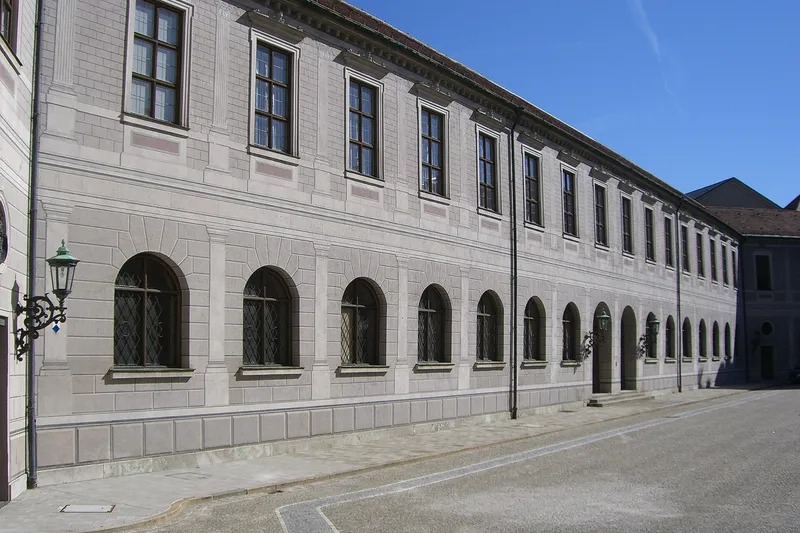 The ResidenzThe kings' city palace by the Old Town, to pair with Nymphenburg if you love royal interiors.
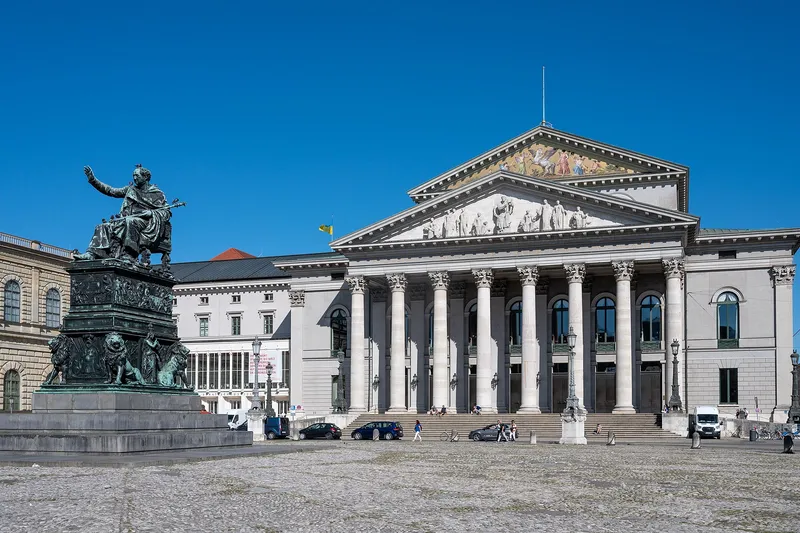 Opera in MunichThe National Theatre and how to book — an evening set-piece a four-day trip has room for.
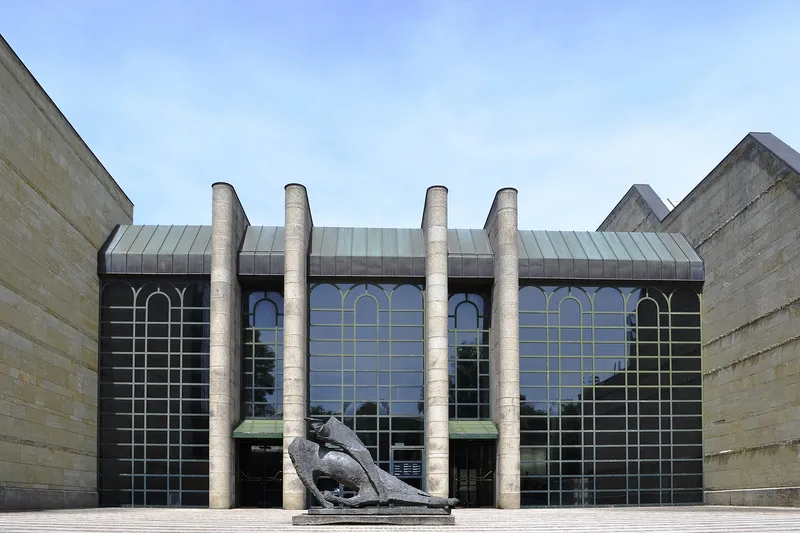 Best museums in MunichHow to pick the museums for a deeper four-day trip, by interest and time needed.
Frequently asked questions about four days in Munich
Is four days too long for Munich? Not at all — four days is enough to move beyond the headline sights and actually live the city a little. After the Old Town, a palace and the museums, and a big day trip, the extra day buys you a slow local day in the neighbourhoods the tourist trail skips, or a second excursion. It is the ideal length for a first visit that does not want to feel rushed, and for repeat visitors it is enough to build a whole trip around the quarters, the Isar and two contrasting day trips.
What should I do with the extra day over a three-day trip? Two good options. The first is a local day with no fixed sights — Haidhausen's village squares, the Glockenbachviertel and Isarvorstadt, Schwabing's café streets, and long stretches of the Isar — which doubles as a flexible recovery day and is the day most people end up remembering most. The second is to go deeper rather than wider: a full slow morning in one great museum, both Nymphenburg and the Residenz, or a second day trip pairing a gentle lake with a bigger mountain or castle.
How many day trips can I fit into four days? Comfortably one, and at a push two if you skip the local day. The classic single day trip is Neuschwanstein, the Zugspitze, a lake, Salzburg or the Dachau memorial. If you want two, pair a gentle lakes day with a bigger mountain or castle day, and give each the clearest weather you have — but be honest about energy, as back-to-back long excursions can leave the city itself feeling neglected.
How should I order the four days around the weather? Keep the order fully movable. Protect the day trip for the clearest forecast and swap it earlier or later in the week to chase blue sky; slot the local day into any grey or tired day, since it has no fixed sights; and run the indoor-friendly Old Town and museum days when it rains. Munich is compact enough that this reshuffling costs almost nothing, and four days gives you more flexibility than any shorter trip.
What can couples add with the fourth day? An evening set-piece that a three-day trip has no room for — opera at the National Theatre, a recital in the Cuvilliés Theatre, or a dressed-up dinner followed by a hidden Glockenbach cocktail bar. Fold a romantic Nymphenburg or English Garden golden-hour walk into the afternoon beforehand. Book opera and notable tables ahead, and verify schedules, hours and prices before you go.
- Four days lets you live the city, not just see it — add a local day or a second day trip.
- Keep the local day loose; it doubles as a recovery day and is often the most memorable.
- One day trip is comfortable, two is possible if you drop the local day — give each clear weather.
- Reshuffle freely for the forecast; book day-trip trains, opera and notable dinners ahead and verify hours.
At a glance
What it covers: a slower four-day Munich plan — the Old Town, a palace and the museums, a local neighbourhood day, and one big day trip.
Day one: a slow Altstadt morning, the Glockenspiel, St. Peter's tower, the Viktualienmarkt and a beer garden or beer hall.
Day two: Nymphenburg palace and park, one or two Kunstareal galleries, the English Garden at golden hour, dinner out.
Day three: a local day beyond the Old Town — the Isar, a quarter or two, the markets, maybe a second museum.
Day four: a day trip — Neuschwanstein, the Zugspitze, the lakes, Salzburg or the Dachau memorial — then a final city dinner.
Best for: travellers who want to live the city, not just see it, and who'll protect a free, unscheduled local day.
- Walk the Altstadt; use trams and the S-Bahn for the palace, the parks, the local quarters and the day trip.
- Glockenspiel plays at 11:00 year-round, plus noon and 17:00 in the warmer months — verify before you go.
- Keep day three deliberately loose; it is the day most people end up remembering most.
- Book the day-trip trains and any timed castle entry early; confirm current hours and prices for anything ticketed.

Munich Itineraries
Ready-made Munich plans for every shape of trip — one day to four, weekends, families, couples, budget and luxury, plus themed days for museums, beer gardens, Oktoberfest and the Christmas markets. Pick the plan that fits your time and let it carry you.
Read guide
Three Days in Munich
A deeper, unhurried three-day Munich itinerary — the Old Town and a viewpoint on day one, a royal palace and the museum quarter on day two, and an Alpine or castle day trip on day three, with food stops and beer gardens built in.
Read guide
A Weekend in Munich
A Friday-to-Sunday weekend in Munich planned the way a city break actually runs — arrival-evening logic, a full Saturday of sights and gardens, a slower Sunday that works around the shops being shut, with hotel-area, dinner-timing and no-wasted-transit advice throughout.
Read guideMore in Itineraries
6Local Munich Beyond the Old Town
Where Munich actually lives once you've seen Marienplatz — the village-feel neighbourhoods, the riverside, the local cafés and markets, the parks and the beer gardens that locals fill, with a route to weave them into a slower second or third day.
Read guide
Luxury Munich Itinerary
A high-end, unhurried plan for Munich — grand-dame and design hotels, private guides, fine dining, palaces and treasuries, the opera, and an Alpine or lakeside add-on, built around comfort and time rather than a packed schedule.
Read guide
Munich Airport Layover Guide
How to spend a layover at Munich Airport — when a dash into the city is realistic, how long you really need, what to do without leaving, and when it's smarter to stay near the terminals.
Read guide
Munich Art & Museums Itinerary
A rain-proof culture itinerary for Munich — a focused day in the Kunstareal among the Pinakotheken and the Blue Rider, a science day at the Deutsches Museum, and a cars-and-modern-architecture option around BMW and Olympic Park, with how to pair them without museum fatigue.
Read guide
Munich Beer Garden Itinerary
A relaxed warm-weather route through Munich's classic beer gardens — from the English Garden's Chinese Tower to the Augustiner-Keller's century-old chestnuts and a riverside finish — with the bring-your-own etiquette, what to order, and the transit that links them.
Read guide
Munich Christmas Market Itinerary
A festive route through Munich's Christmas markets — from the grand Marienplatz Christkindlmarkt and the medieval and Kripperl markets of the Old Town to the artier Tollwood at the Theresienwiese — with skating, market food, Glühwein and warm indoor breaks worked in.
Read guide