
Munich Art & Museums Itinerary
A rain-proof culture itinerary for Munich — a focused day in the Kunstareal among the Pinakotheken and the Blue Rider, a science day at the Deutsches Museum, and a cars-and-modern-architecture option around BMW and Olympic Park, with how to pair them without museum fatigue.

Photo: Zalfa Imani / Unsplash

- ✓A culture itinerary built around picking one or two museums a day, not all of them — Munich's collections are deep, and museum fatigue is the real enemy of a good art day.
- ✓Three self-contained days you can mix and match: the Kunstareal art quarter, the Deutsches Museum for science and technology, and a BMW-and-Olympic-Park day for design and modern architecture.
- ✓Genuinely rain-proof — almost everything here is indoors or a short hop apart, which makes this the itinerary to reach for when Munich's weather turns.
- ✓Many Bavarian state museums offer a reduced admission on Sundays; it's a real local tip, but verify the current arrangement and price before you plan a day around it.
- ✓Everything here is evergreen; confirm current opening hours, closed days, prices and any closures or renovations before you go — Munich's museums each keep their own rest day.
How to use this itinerary
Munich is one of Europe's great museum cities, and the temptation is to try to see all of it. Don't. The single most important rule for a culture trip here is to choose a small number of collections and give them real time, because three Old Masters galleries in a row turns wonder into a headache. This plan is built around that discipline: it lays out three distinct, self-contained culture days — art, science, and design — and you pick one, or pace them across a longer trip, rather than cramming them together.
It is also, deliberately, the itinerary to reach for when the weather turns. Almost everything here is indoors or a short ride apart, so a grey Munich day that would spoil a park-and-beer-garden plan is perfect for this one. Treat each day below as a module: do the Kunstareal one day, the Deutsches Museum another, and the BMW-and-Olympic day on a third, in whatever order suits the forecast and your interests.
Two practical notes up front. First, Munich's museums each take a different weekly rest day, and several close on Mondays — always check the specific museum's current opening days before you build a day around it. Second, many of the Bavarian state collections, including the Pinakotheken, traditionally offer a reduced Sunday admission; it is a well-known local saving, but it draws bigger crowds and the exact arrangement and price change, so verify it rather than assume. With those two things checked, the rest of this plan runs smoothly whatever the sky is doing.

Day one: the Kunstareal — Old Masters, moderns and the Blue Rider
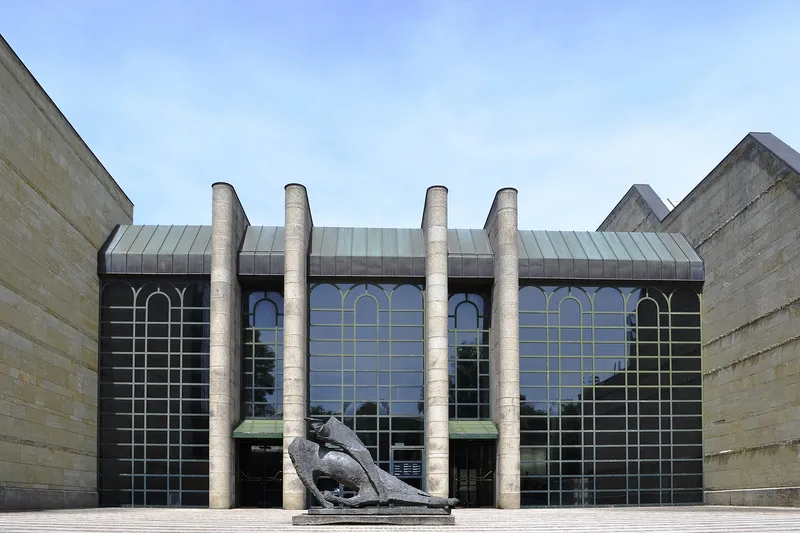
Munich's art quarter, the Kunstareal in Maxvorstadt, packs an extraordinary run of collections into a few walkable blocks, which is what makes it the heart of any culture trip. The discipline still applies: pick one or two of the big galleries, not all of them. The cluster centres on the three Pinakotheken — the Alte Pinakothek for the Old Masters, the (currently closed for renovation) Neue Pinakothek for nineteenth-century art, and the Pinakothek der Moderne for modern art, design, graphics and architecture — with the Museum Brandhorst and the Lenbachhaus a short walk off.
Morning. Start with the Alte Pinakothek, one of the world's great Old Masters galleries, built by Ludwig I to house the Wittelsbach collection and hung today with Dürer's self-portraits, Rubens (including the enormous Great Last Judgement), Rembrandt, Botticelli, Raphael, Titian and Brueghel across vast, calm, top-lit halls — give it a couple of unhurried hours rather than a sprint, and pick a few rooms to linger in rather than marching the lot. If your taste runs modern instead, swap in the Pinakothek der Moderne, which is really four museums under one soaring rotunda — art, design, architecture and works on paper — and whose design collection, one of the world's largest, is a highlight in its own right; it rewards a slow morning just as well, and the building itself is worth the visit.
Midday. Break for a long lunch — Maxvorstadt is a student-and-café neighbourhood, home to two universities, so the coffee, the casual food and the bookshops around the quarter are excellent and good value, a world away from the Old Town's tourist prices. This is the pause that prevents museum fatigue, and it is not optional: an hour off your feet with something to eat resets your attention completely. Take it properly, sitting down, rather than grabbing something and pushing straight back into the galleries; the difference it makes to the afternoon is enormous.
Afternoon. Add one more, not three. The Museum Brandhorst, with its striking façade of thousands of coloured ceramic rods, holds outstanding contemporary art and is best known for the largest collection of Cy Twombly's work in Europe, given whole rooms of its own; Andy Warhol, Sigmar Polke and others fill out a sharp, well-lit modern survey. Or walk to the Lenbachhaus, set in a honey-coloured Florentine-style villa with its own garden, for the world's finest collection of the Blue Rider (Blauer Reiter) group — Kandinsky, Gabriele Münter, Franz Marc — which is one of the most joyful, colour-saturated rooms of painting anywhere, alongside a strong contemporary wing and the building's golden Olafur Eliasson canopy. End at Königsplatz, the great neoclassical square at the quarter's edge, before a café or an early dinner nearby. Whichever pair you choose, resist the urge to squeeze in a third gallery — the discipline of stopping while you're still enjoying it is what keeps the whole day a pleasure rather than a slog.
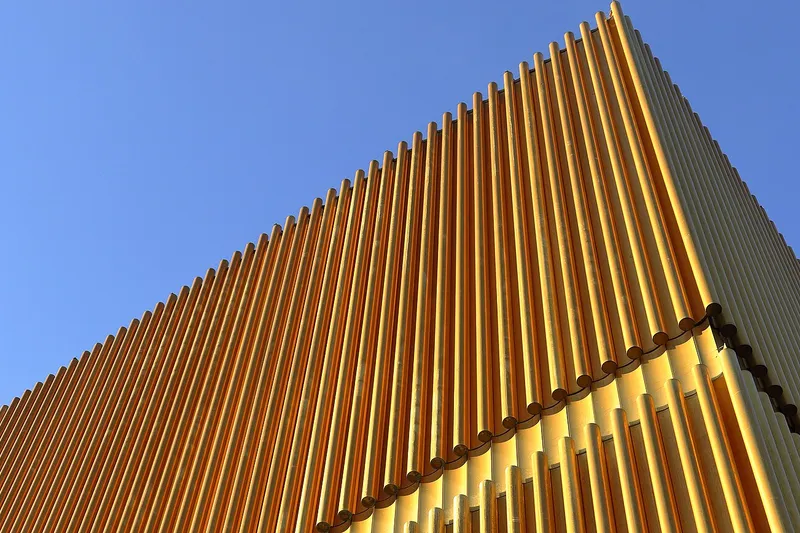 The KunstarealThe full plan for Munich's museum quarter — the Pinakotheken, Lenbachhaus, Königsplatz and cafés.
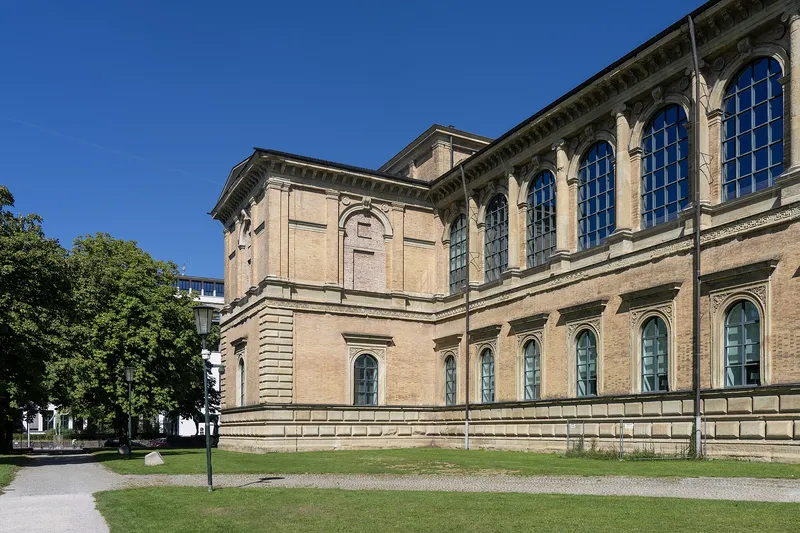 Alte PinakothekThe Old Masters gallery — the collection highlights and the Sunday-ticket angle.
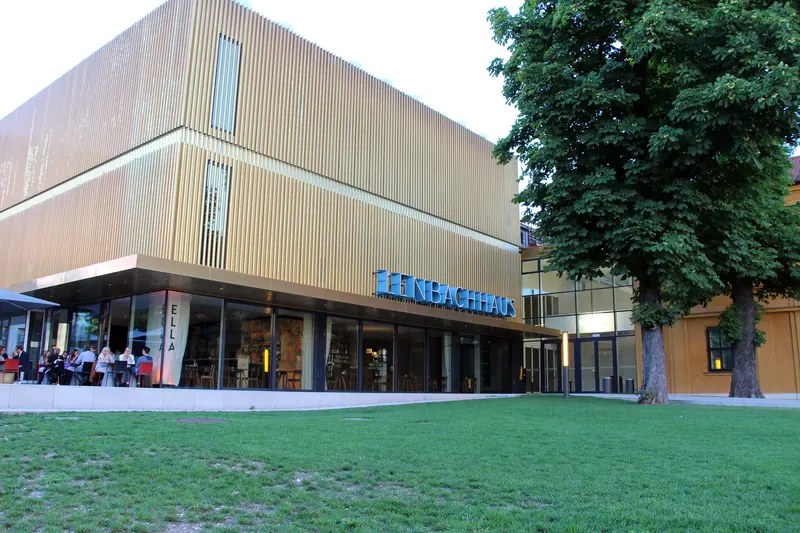 LenbachhausThe Blue Rider masterpieces and the villa setting — the colour-saturated heart of the quarter.
Day two: the Deutsches Museum — a full day of science and technology
If the art day is about looking, the Deutsches Museum day is about doing. On its island in the Isar, the Deutsches Museum is one of the largest and oldest science-and-technology museums in the world, and it is genuinely vast — aviation and shipping, mining and energy, instruments and physics, with hands-on demonstrations and a planetarium. It is the city's best rainy-day museum and the standout for families and anyone curious about how things work.
The key to a good day here is the same as everywhere in this plan: don't try to see it all. The museum has been undergoing a long, phased modernisation, so the exact sections open shift over time — check the current floor plan and which areas are accessible before you go, and pick two or three themes that interest you rather than walking every hall. Arrive when it opens to get ahead of the school groups, and build in a long break; there is a café on site.
Around the museum, the day rounds out nicely. The island sits in the Isar, so a riverside walk before or after is an easy add — and on a fine day the gravel beaches and the Glockenbachviertel across the water make a good lunch detour. The Deutsches Museum also runs separate sites: the Verkehrszentrum (a transport museum of cars, trains and motorcycles, out at the Theresienhöhe) and the Flugwerft Schleißheim aircraft hangar north of the city, both of which serious enthusiasts can chase down on a longer trip. But the main island building is more than a full day on its own, so most visitors are better served giving it their undivided attention than splitting their time across the satellites.
A word on who this day suits. The Deutsches Museum is the city's strongest pick for families with curious children, for travellers fascinated by engineering and how things work, and for anyone facing the kind of cold, wet Munich day that an art gallery can't fill alone — you could happily spend five or six hours here. It is less the place for someone after paintings and quiet contemplation; that's the Kunstareal day. Knowing which kind of culture you're in the mood for is half of planning a good museum day in Munich.


Day three: BMW, the Olympic Park and modern Munich
The third culture day swaps Old Masters for engineering and modern architecture, in the city's north. The draw is twofold: BMW Welt, the carmaker's free, futuristic delivery-and-exhibition hall, and the BMW Museum next to it, which traces a century of the marque in a striking bowl-shaped building. Together they make a compelling half-day for anyone interested in cars, design or industrial history — and BMW Welt's architecture is worth a look even if engines leave you cold.
Right beside them lies the Olympiapark, built for the 1972 Games and still one of the boldest pieces of modern architecture in Germany — Frei Otto's sweeping tented roofs over the stadium and pool, the lake, and the Olympic Tower with its skyline-and-Alps view from the top. Walk the park, take the tower up for the panorama (check it is open before you set out), and let the day be as much about the spaces as the exhibits.
This day is the most weather-dependent of the three, since the park is the best of it — but the two BMW buildings and the tower give you indoor fallbacks if the sky turns. It pairs naturally with the Allianz Arena and its FC Bayern Museum, also in the north, for anyone who wants to bolt a football afternoon onto a design morning. Whatever you combine, the U-Bahn reaches all of it directly from the centre in a quarter of an hour or so.
 BMW WeltHow to visit the free delivery hall, pair it with the BMW Museum, and decide if a tour is worth it.
 OlympiaparkThe 1972 architecture, the lake walks, the skyline views and the seasonal events in the north.
 Olympic TowerThe viewpoint at the top of the park — opening checks and the Alps-and-skyline panorama.
How to pair the days without museum fatigue
If you have one museum day, make it the Kunstareal for art lovers or the Deutsches Museum for families and the curious — those are the two strongest single days the city offers. If you have two, do both of those and skip the third unless cars and modern architecture are genuinely your thing. Across three days, the trick is to alternate registers rather than stacking like with like: art one day, science the next, design and the outdoors on the third, so each day feels fresh and your attention never runs dry. The cardinal sin, worth repeating because so many visitors commit it, is doing two big galleries on the same day and expecting to enjoy both — by the second, even masterpieces start to blur, and you leave remembering tired feet rather than paintings.
Build in the breaks. The single biggest improvement you can make to a culture trip is a proper, unhurried lunch in the middle of every museum day — Maxvorstadt's cafés for the art day, the Isar's edge for the Deutsches Museum, a stop in the Olympic Park for the BMW day. And vary the intensity: a half-day in one collection followed by a walk, a beer garden or a café almost always beats a full day pinned indoors, even when it's raining.
For the non-museum hours, this plan slots easily into the wider city. The Kunstareal sits in Maxvorstadt's café streets; the Deutsches Museum is steps from the Isar and the Glockenbachviertel; the BMW day links to football in the north. Use the gaps to see a different side of Munich, and you'll come home having had a culture trip that never once felt like homework.
 MaxvorstadtThe museum neighbourhood itself — its cafés, students and boutique hotels around the Kunstareal.
 Best coffee in MunichWhere to take the mid-museum break — the city's best cafés, several around the art quarter.
 Munich with teensCars, football and modern Munich — how the BMW-and-Olympic day works for older kids.
Beyond the big three: smaller museums worth a detour
Munich's depth doesn't stop at the headline collections, and a longer culture trip rewards a half-day among the smaller, more specialised museums — often quieter, cheaper and surprisingly memorable. The Glyptothek and the State Collection of Antiquities (Staatliche Antikensammlungen) face each other across Königsplatz, at the edge of the Kunstareal, holding Greek and Roman sculpture and antiquities in two grand neoclassical temples; together they make a self-contained classical morning that pairs naturally with the art day.
For modern and difficult history, the NS-Dokumentationszentrum (NS Documentation Centre) on the same square confronts Munich's role under National Socialism in a stark white cube — a serious, sobering hour rather than a leisure stop, but an important one in a city that takes that reckoning seriously. It sits a short walk from the Pinakotheken, so it slots into a Kunstareal day for travellers who want substance alongside the painting.
Other detours suit particular tastes. The Bavarian National Museum (Bayerisches Nationalmuseum) in Lehel holds a vast sweep of art and craft from the Middle Ages on, including a celebrated collection of Nativity cribs; the Museum Fünf Kontinente covers world cultures; and the Münchner Stadtmuseum (city museum) traces Munich's own story, though it has been undergoing a long renovation, so check its status before planning around it. None of these is essential on a short trip, but on a longer culture stay they turn a good museum trip into a deep one — pick by interest, and keep the one-or-two-a-day rule even here.
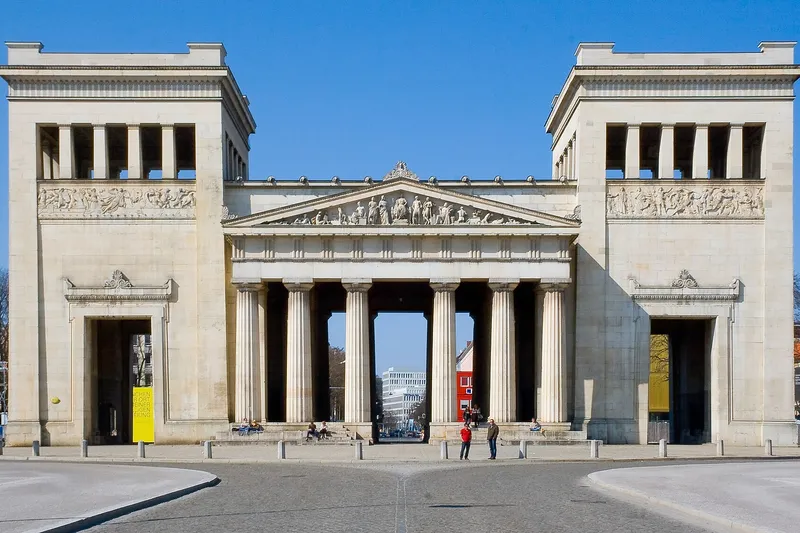 KönigsplatzThe neoclassical square of museums at the Kunstareal's edge — the Glyptothek and the Antikensammlungen.
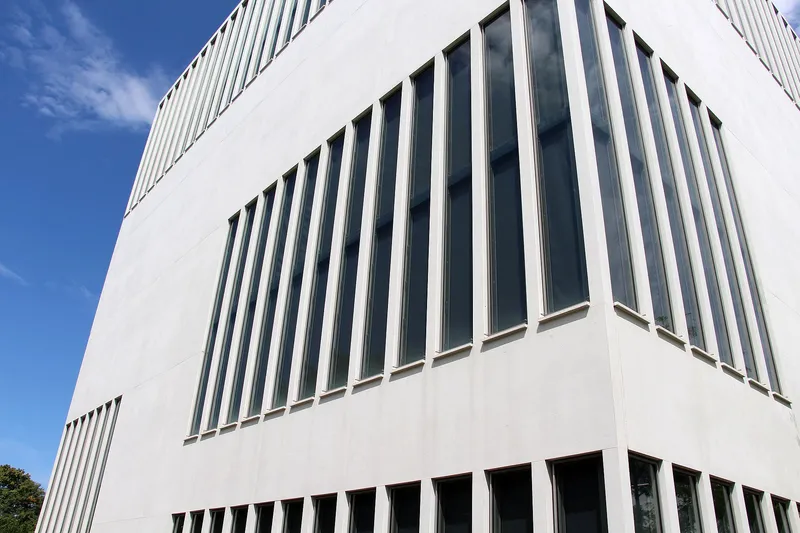 NS Documentation CentreMunich's reckoning with the National Socialist era — a serious, important hour near the art quarter.
 Munich hidden gemsThe smaller museums, courtyards and lesser-known stops that still deserve itinerary time.
Weaving culture into a wider Munich trip
Few people come to Munich purely for its museums, and the best culture trips treat these days as threads in a wider fabric rather than a block to be endured. The neat thing about this plan is how naturally each day hands off to the rest of the city. The Kunstareal day finishes you in Maxvorstadt, a short stroll from the Old Town, the English Garden's southern tip and the café streets of Schwabing — so an afternoon gallery can roll into an early-evening beer garden without a single change of plan. The Deutsches Museum day sits right on the Isar, which means the moment science-fatigue sets in you can be on a gravel river beach or across the water in the Glockenbachviertel within minutes. The BMW-and-Olympic day links north to football and to the open lawns of the park, ideal when you want air after exhibits.
That hand-off matters for pacing across a multi-day stay. Rather than stacking two or three full museum days back to back, alternate a culture day with a lighter one — a day-trip to the lakes or the Alps, a beer-garden afternoon, a neighbourhood wander — so that each gallery still feels like a treat rather than an obligation. Couples often find that a half-day in the Lenbachhaus or the Pinakothek der Moderne followed by a slow lunch and a riverside evening is the most romantic shape a culture day can take, while families do better front-loading the hands-on Deutsches Museum in the morning and saving the afternoon for the park. Build the museums around your trip's natural rhythm, not the other way round, and the whole stay holds its shape.

Practicalities: opening days, tickets and getting around
Three practical things make or break a museum day in Munich. First, opening days: museums here each keep their own weekly rest day, and Monday closures are common — always confirm the specific museum is open on your chosen day, and watch for temporary closures and renovations (the Neue Pinakothek, for instance, has been closed for a long refurbishment, and the Deutsches Museum modernises in phases). Second, the Sunday angle: several Bavarian state museums offer a reduced Sunday admission, a genuine saving, but it brings crowds and the arrangement can change — verify it rather than rely on it.
Tickets are mostly straightforward — bought at the door or online — but for the busiest collections, and on reduced-price days, booking a timed slot online saves queueing. If you plan to see several state museums, look into whether a combined or annual ticket works out cheaper for your trip; the arrangements vary, so check current options. Photography rules differ by museum and exhibition, so glance at the signs.
Getting around is easy. The Kunstareal is a short U-Bahn ride or a walk from the centre; the Deutsches Museum sits on the Isar a few minutes' tram or walk from the Old Town; and the BMW-and-Olympic cluster is a direct U-Bahn ride north. One MVV day ticket covers all the public transport you'll need, and usually beats buying singles. As ever, confirm current hours, closed days and prices against each museum's official site before you go — they change, and a culture day runs best when nothing is a surprise.

At a glance
What it covers: a rain-proof culture plan — three self-contained museum days to pick from or pace across a trip.
Day one: the Kunstareal — one or two of the Pinakotheken, plus the Brandhorst or the Blue Rider at the Lenbachhaus.
Day two: a full day at the Deutsches Museum on the Isar, the city's best science-and-rainy-day museum.
Day three: BMW Welt and Museum plus the Olympic Park — design, engineering and modern architecture in the north.
Golden rule: one or two collections a day, a long lunch in the middle, and a walk to clear your head.
Best for: art and science lovers, families, and anyone facing a grey Munich day that needs an indoor plan.
- Pick one or two museums a day — never two big galleries together — to avoid museum fatigue.
- Check each museum's weekly rest day (Monday closures are common) and any renovations before you go.
- Many state museums offer reduced Sunday admission — a real saving, but busy, and worth verifying.
- One MVV day ticket reaches the Kunstareal, the Deutsches Museum and the BMW-and-Olympic cluster.
Best Museums in Munich
Choose the right Munich museum for you — by interest, by how much time you have, by which day of the week, and by how useful it is on a rainy day.
Read guideKunstareal, Munich's Museum Quarter
How to plan a day in the Kunstareal — Munich's museum quarter in Maxvorstadt, from the three Pinakotheken and Brandhorst to the Lenbachhaus, Königsplatz and the cafés in between.
Read guide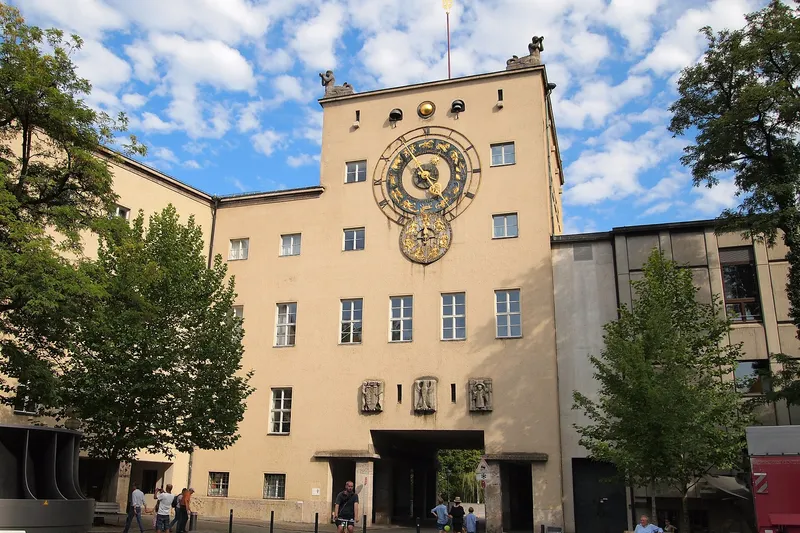
Deutsches Museum, Munich
How to visit the world's largest science-and-technology museum on its own Isar island — which halls to prioritise, how long it really takes, and the family timing that keeps a long day fun.
Read guideMore in Itineraries
6
A Weekend in Munich
A Friday-to-Sunday weekend in Munich planned the way a city break actually runs — arrival-evening logic, a full Saturday of sights and gardens, a slower Sunday that works around the shops being shut, with hotel-area, dinner-timing and no-wasted-transit advice throughout.
Read guide
Four Days in Munich
A slower four-day Munich itinerary that adds the things three days has to skip — a proper neighbourhood day, more museums and beer gardens, and one big day trip into the Alps or to the lakes — built for travellers who want to live the city rather than tick it off.
Read guide
Local Munich Beyond the Old Town
Where Munich actually lives once you've seen Marienplatz — the village-feel neighbourhoods, the riverside, the local cafés and markets, the parks and the beer gardens that locals fill, with a route to weave them into a slower second or third day.
Read guide
Luxury Munich Itinerary
A high-end, unhurried plan for Munich — grand-dame and design hotels, private guides, fine dining, palaces and treasuries, the opera, and an Alpine or lakeside add-on, built around comfort and time rather than a packed schedule.
Read guide
Munich Airport Layover Guide
How to spend a layover at Munich Airport — when a dash into the city is realistic, how long you really need, what to do without leaving, and when it's smarter to stay near the terminals.
Read guide
Munich Beer Garden Itinerary
A relaxed warm-weather route through Munich's classic beer gardens — from the English Garden's Chinese Tower to the Augustiner-Keller's century-old chestnuts and a riverside finish — with the bring-your-own etiquette, what to order, and the transit that links them.
Read guide