
The Isar River, Munich
Munich's wild green river — where to walk and cycle, the gravel beaches and the Flaucher, the swim-season caveats, and the loveliest sunset stops along the water.

Photo: Julian Ostarek / Unsplash

- ✓The Isar is an Alpine river that runs straight through the heart of Munich, pale turquoise from its mountain meltwater.
- ✓A celebrated renaturation project from the 2000s tore out concrete embankments and restored a wide, braided channel with gravel 'beaches' you can walk and sunbathe on.
- ✓The Flaucher, in the south near the zoo, is the city's most-loved stretch of river beach, barbecue and beer-garden territory.
- ✓Continuous walking and cycling paths run along both banks for kilometres, linking the English Garden in the north to the floodplain woods in the south.
- ✓Locals swim and float the river in summer — but the current is fast and cold, and the weirs are dangerous; care is essential.
An Alpine river running through the city
Most great cities have a river; Munich has a wild one. The Isar rises in the Alps of the Tyrol, runs north through Bavaria, and slices straight through the middle of the city on its way to the Danube — and it never quite forgets where it came from. The water runs pale and cold and faintly turquoise with rock flour from the mountains, the banks are gravel rather than stone, and on a warm day the whole riverside takes on the relaxed, slightly feral air of an Alpine valley that happens to have a capital city built around it. It is, for many residents, the single best thing about living here.
What makes Munich's river so usable is a deliberate act of restoration. For much of the twentieth century the Isar through the city was straitjacketed in concrete for flood control — efficient and ugly. Then, across the 2000s, a landmark renaturation project (often called the Isar-Plan) tore much of that out, widening the channel, lowering the banks and letting the river braid again over broad gravel beds. The result is the green, wild-feeling waterway you see today, and it is genuinely one of the most successful urban river projects in Europe — a model other cities now study.
The upshot for a visitor is simple: the Isar is not a backdrop you photograph from a bridge and move on from. It is a place to spend an afternoon — to walk, cycle, picnic, paddle and watch the city unwind by the water.

Walking and cycling the banks
The simplest way to enjoy the Isar is to walk it. Near-continuous paths run along both banks for kilometres, mostly flat, often gravel, and shaded by floodplain trees — so you can join almost anywhere in the central stretch and follow the water as far as your legs allow. A lovely orientation walk threads the islands at the city's heart: the Praterinsel and the Museumsinsel (home to the Deutsches Museum) are linked to the banks by bridges, and the riverside there is pretty, central and easy.
For something longer and wilder, head south. The path running down toward Thalkirchen and the Flaucher passes the most renatured, most beach-like stretches, with the river splitting into channels around gravel bars; keep going and you reach the genuinely wooded floodplain near the zoo. Northward, the banks run up toward the English Garden, whose eastern edge meets the river — so a park walk and a river walk fold neatly into one.
Cycling is even better for covering ground. The Isar paths are a favourite local cycle route, and hiring a bike lets you ride from the central bridges down to the southern beaches (or up past the English Garden) in an unhurried hour, stopping wherever a patch of gravel or a beer garden tempts you off the saddle. It is one of the best-value half-days in Munich and costs nothing but the bike.
The Flaucher, gravel beaches and barbecues
If the Isar has a soul, it is the Flaucher. This stretch of broad gravel banks and braided water in the south of the city, near Thalkirchen, is where Munich comes to play on a hot day: families sprawl on the stones, friends light disposable barbecues, swimmers brave the cold channels, and the long-standing Flaucher beer garden among the trees keeps everyone in Maß and shade. On a summer Saturday it has the unmistakable feel of a city by the sea — except the sea is a fast Alpine river and the beach is pale river-gravel.
Barbecuing on the Isar is a beloved local tradition, but it is regulated: grilling is permitted only in designated zones along the river, and you should look for the signage and follow the rules on where fires are allowed (verify current bylaws locally, as restrictions can change in dry spells or for fire risk). Take everything home with you — the renatured river is a hard-won ecosystem, and locals are fiercely protective of keeping it clean. With those courtesies observed, an afternoon at the Flaucher with a picnic, a barbecue and a swim is about as close as a landlocked city gets to a beach day.
The islands and bridges at the city's heart
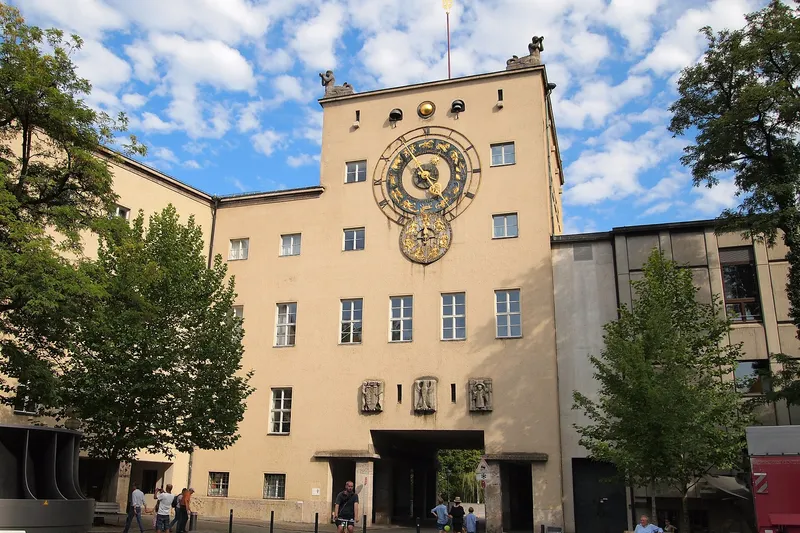
Through the centre the Isar splits around a cluster of islands that are worth knowing as landmarks, because they organise the whole central riverscape. The largest is the Museumsinsel, the long island that carries the Deutsches Museum and is linked to both banks by bridges — a natural place to join the river, since a science-museum morning spills straight out onto the water. Just upstream lies the quieter Praterinsel, a leafy sliver good for a stroll, and together the two give the inner river a green, walkable spine that's easy to thread on foot.
The bridges themselves are part of the pleasure. The grand Maximilian and Luitpold bridges carry the city's ceremonial axes across the water with statues and lamplit balustrades, while the more workaday central spans like the Reichenbachbrücke and Wittelsbacherbrücke double as the best free viewpoints for watching the river and the sunset. Pick a bridge, look up and down the braided channel, and you get an instant sense of how the renatured Isar weaves through the city — then drop down to whichever bank looks most inviting and follow the water from there.
Swimming and floating — with real caution
Yes, people swim in the Isar, and on a hot day plenty of locals float down certain stretches on the current — it is one of the great free pleasures of a Munich summer. But this is an Alpine river, not a lido, and it deserves respect. The water is cold even in high summer, the current is faster and stronger than it looks, and the weirs along its course are genuinely dangerous — they create recirculating currents that have caused drownings. Stay well clear of all weirs and any structure that channels the flow.
If you want to swim or float, the safe approach is the local one: go only where you can clearly see others doing the same, enter and exit at the gentle gravel beaches rather than steep or fast sections, never go in after drinking, keep children within arm's reach, and never attempt to swim near a weir or under a bridge with strong flow. Conditions also change fast after Alpine rain, when the river can rise and brown within hours. Treat the Isar as the powerful natural water it is, follow the locals' lead, and it rewards you; ignore that, and it can be lethal. When in doubt, enjoy it from the bank.
Sunset stops and the romance of the river
For all its summer-beach energy, the Isar is at its most beautiful in the soft light of early evening, when the crowds thin and the water goes gold. The bridges make natural vantage points — the Reichenbachbrücke and the views up and down from the central spans catch the light handsomely — and the gravel bars give you a place to sit at the water's edge with a bottle and watch the city slow down. It is a free, unforced sort of romance: no reservation, no ticket, just the river and the dusk.
Combine it with a meal back from the bank in the Glockenbachviertel or Isarvorstadt, or carry a picnic down to the stones and stay for the last of the light. North toward the English Garden, the Monopteros hill catches the same sunset over the park if you'd rather end on a viewpoint. However you do it, an Isar evening is one of those simple, generous Munich experiences that stays with you longer than the grander sights.
At a glance
What it is: Munich's wild, turquoise Alpine river, running straight through the city.
Why it's special: a renatured channel with gravel beaches you can walk, picnic and sunbathe on.
Don't miss: the Flaucher river beach in the south; a sunset on the central bridges; a bank-side picnic.
Best for: walking, cycling, picnics and barbecues; cautious summer swimming.
Getting there: walk down from the centre or the English Garden; U3 to Thalkirchen for the Flaucher.
Safety: the current is fast and cold and the weirs are deadly — stay clear of weirs, swim only where locals do.
- Near-continuous walking and cycling paths run for kilometres along both banks.
- Barbecue only in designated zones and take all litter home — verify current bylaws locally.
- After Alpine rain the river rises fast and brown within hours; check conditions before swimming.

The English Garden, Munich
How to walk Munich's vast central park — the Eisbach surf wave, the Monopteros viewpoint, the Chinese Tower beer garden, the lawns, the streams and the long route north to the Kleinhesseloher See.
Read guide
Glockenbachviertel, Munich
Munich's liveliest, most stylish quarter just south of the Altstadt — bars and cocktail dens, independent boutiques, the heart of the city's LGBTQ+ scene, the Isar a block away, and where the night happens.
Read guide
Romantic Walks in Munich
Five walks for two — the Nymphenburg canal, the English Garden to the Monopteros, the Isar river banks, the Hofgarten-to-Odeonsplatz loop and an Old Town evening route — with timings, golden-hour notes and where to stop.
Read guideMore in Things to Do
6
Allianz Arena, Munich
How to visit Munich's glowing football stadium — the self-guided Erlebnistour, the FC Bayern Museum, match-day logistics, and the easy U6 ride out to Fröttmaning.
Read guide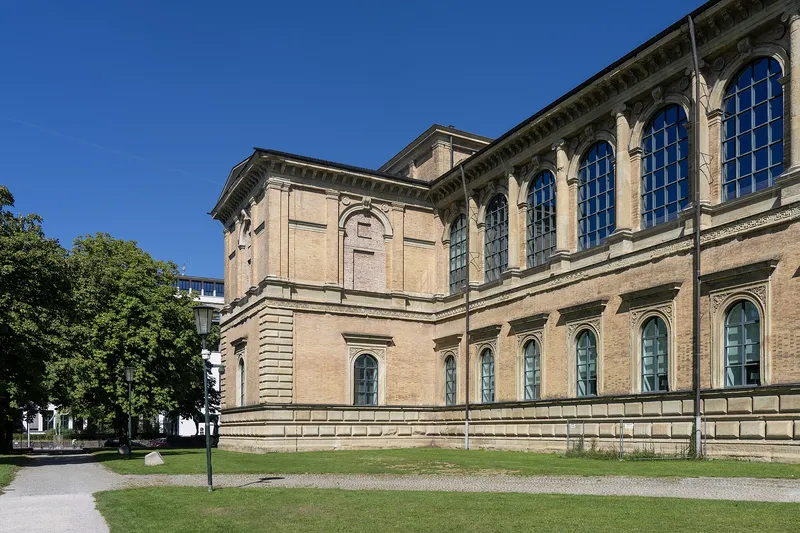
Alte Pinakothek, Munich
How to visit Munich's Old Masters gallery in the Kunstareal — the Dürers and Rubenses worth crossing town for, the Sunday-ticket angle, and how to build a wider museum-quarter day around it.
Read guide
Asamkirche, Munich
How to visit Munich's astonishing late-Baroque Asamkirche on Sendlinger Straße — the church two brothers built next to their own house — without overplanning it.
Read guide
Best Munich Tours
When a guided tour earns its place in a Munich trip — and which kind to pick. Old Town walks, food and beer crawls, football and BMW, the Third Reich history walk, and the big castle and Dachau day trips, weighed by time, cost and effort.
Read guide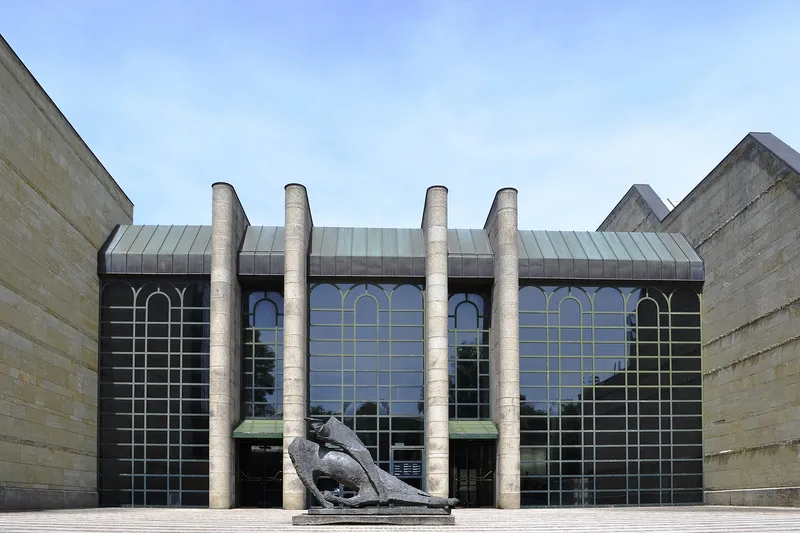
Best Museums in Munich
Choose the right Munich museum for you — by interest, by how much time you have, by which day of the week, and by how useful it is on a rainy day.
Read guide
Best Photography Spots in Munich
Rooftops, squares, churches, parks and palaces — the most photogenic places in Munich, with the light and timing notes to shoot each one well.
Read guide