
Hellabrunn Zoo, Munich
A family guide to Munich's zoo on the Isar — the Geo-Zoo layout, the highlights for kids, how to plan a half- or full day, and the easy transport down from the centre.
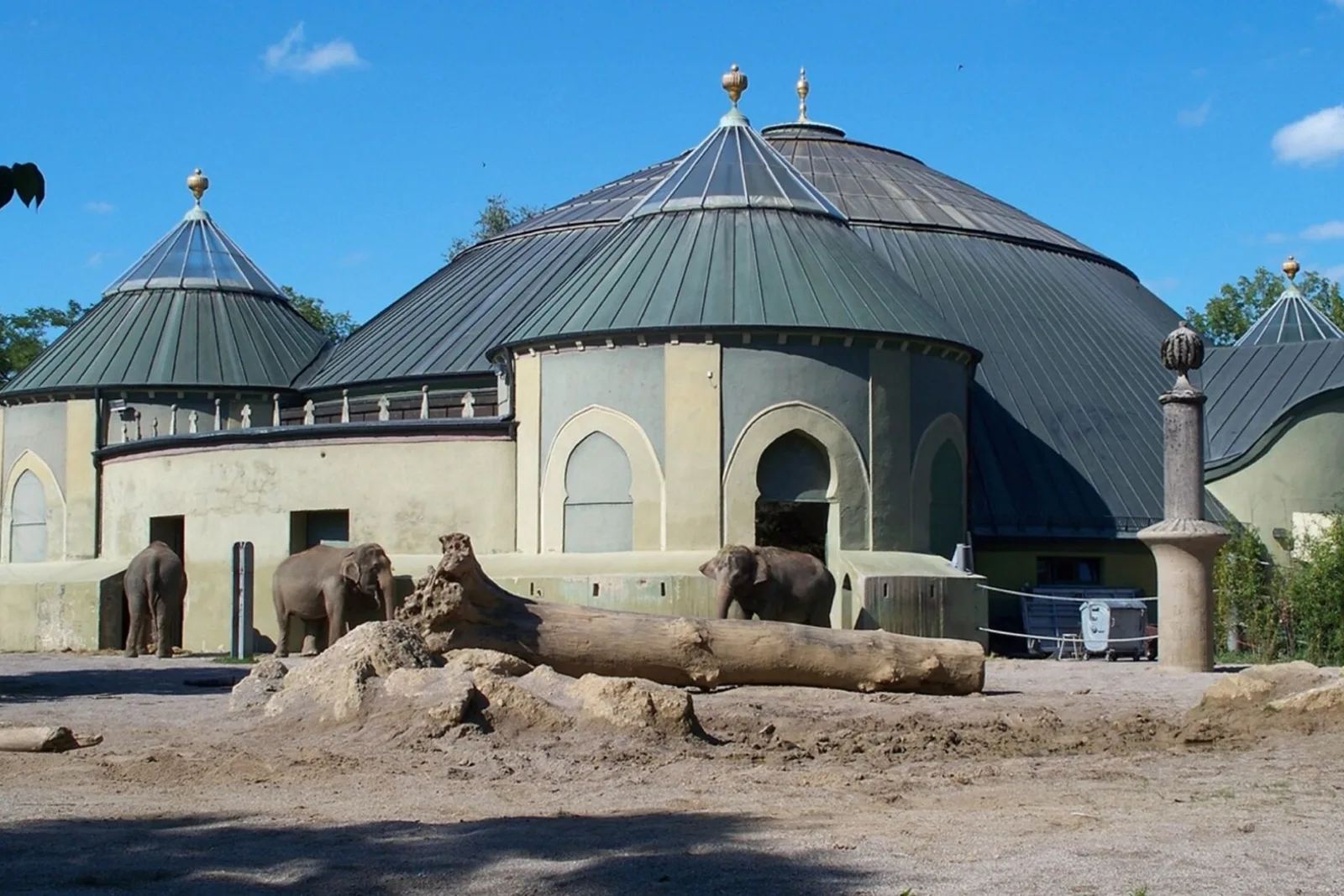
Photo: Rufus46 / Wikimedia Commons · CC BY 3.0 DE

- ✓Tierpark Hellabrunn opened in 1911 and was the world's first 'Geo-Zoo', arranging animals by the continent they come from rather than by species.
- ✓It sits in the wooded Isar floodplain in the south of the city — a genuinely green, parkland setting rather than a concrete enclosure.
- ✓Highlights for families include elephants, big cats, gorillas and apes, polar bears, a large aquarium and the walk-through aviary and petting areas.
- ✓It's easy to reach: the U3 to Thalkirchen drops you a short walk from the gate, and the riverside path links the zoo to wider Isar walks.
- ✓Budget a half-day at minimum; a full day with a picnic and the playgrounds is easy with younger children.
The world's first 'Geo-Zoo', in the Isar floodplain
Tierpark Hellabrunn is Munich's zoo, and a good one — but its real distinction is an idea. When it opened in 1911 (and again after a 1928 relaunch under the director Heinz Heck) it pioneered the concept of the Geo-Zoo: organising the animals by the part of the world they come from rather than by taxonomic family, so that a walk through the grounds becomes a kind of journey across the continents. Stroll the paths and you move from Africa to Asia to the polar world, the planting and the architecture shifting with the geography. It was a genuinely influential idea, copied by zoos around the world, and it still shapes how the place feels today.
The setting helps enormously. Hellabrunn lies in the south of the city on the wooded floodplain of the Isar, so the whole zoo has the air of a riverside park threaded with enclosures rather than a hard-surfaced animal warehouse. Mature trees, gravel paths and green space between the exhibits make it a pleasant place simply to be, even between the headline animals — which is exactly what you want when you are pacing a long day with small children.
It is, in short, one of the city's best family outings: green, walkable, easy to reach, and substantial enough to fill the better part of a day without ever feeling like a forced march.
What to see: the highlights for families
The crowd-pleasers are the big mammals. Hellabrunn keeps elephants in a striking domed elephant house, and has a strong record of breeding them — a baby elephant is a perennial draw. There are gorillas and other apes, big cats, polar bears and seals (the feeding sessions, where they happen, are a reliable hit with children), rhinos, giraffes and a broad cast of African plains animals laid out in the Geo-Zoo's themed zones.
Beyond the marquee animals there is plenty pitched squarely at younger visitors. Walk-through and contact areas let children get close to gentler creatures, there's a large aquarium and reptile section for a change of pace (and a rainy spell), and the grounds include playgrounds where small legs can let off steam between enclosures. Keepers run scheduled feedings and talks through the day at various exhibits, and timing your route loosely around a couple of these gives the visit a useful shape.
Hellabrunn also takes its conservation work seriously, and the modern enclosures reflect it: many are designed around the geography and habitat of the animals they hold, in keeping with the founding Geo-Zoo idea, and the zoo participates in international breeding programmes for endangered species. For children this turns a simple animal-spotting day into something with a quiet message about the wider world — and for parents it makes the visit feel like more than a menagerie.
Practical tip: pick up a map at the entrance (or check the zoo's app/site beforehand) and note the day's feeding and talk times, then plan a rough loop rather than doubling back. With a young family the trick is momentum — keep moving gently between highlights, and use the playgrounds and a picnic to reset when energy dips.
How the Geo-Zoo is laid out
Because Hellabrunn is arranged by geography rather than by species, the simplest way to make sense of a visit is to think in continents. The grounds are grouped into themed worlds — broadly an African zone of plains animals and apes, an Asian zone built around the elephants and big cats, a polar and northern world for the bears and seals, a European and Alpine section, and the aquarium and reptile house that gather the underwater and cold-blooded residents under cover. You don't so much tick off animals as travel through landscapes, and the planting, paths and enclosure design shift to match each region.
That layout has two practical consequences worth knowing before you arrive. First, it means related animals are clustered, so you can prioritise the zones your children most want to see and walk them as a block rather than crisscrossing the park. Second, it makes the zoo genuinely walkable as a loop: start at whichever gate you enter, follow the continents round in order, and you'll pass most of the headline residents once without doubling back. Grab the map at the entrance and treat the continental zones as your chapters for the day.

Planning the day: tickets, time and food
Hellabrunn is open year-round, every day, with seasonal hours that are longer in summer and shorter in winter — so always check the current opening times and ticket prices on the official site before you go, as both vary by season. Buying tickets online in advance can save queueing at the gate on busy days, especially in school holidays and on fine weekends. Families travelling regularly may find an annual pass worthwhile, but for a one-off visit a standard day ticket (with reduced child and family rates) is the norm.
Allow a half-day as an absolute minimum; with younger children, a leisurely full day is realistic and often better, because the unhurried pace is half the pleasure. There are cafés and kiosks inside for snacks and meals, but the zoo's parkland layout and the bring-a-picnic culture of Munich make this an ideal place to bring your own food and find a bench or lawn — a far cheaper and calmer option with kids. Pack water, sun cover and a layer, since much of the route is outdoors.
A note on seasons: spring and early summer are lovely, with new animals and full greenery, while a crisp autumn day is quiet and beautiful in the floodplain woods. High summer can be hot and busy; arrive at opening to beat both the heat and the crowds. Winter is the off-season — fewer visitors, some animals indoors, but a peaceful experience for those who don't mind the cold.
Getting there — and the Isar on your doorstep
The zoo sits at Thalkirchen in the south of the city, and the easiest way down is the U3 underground line to the Thalkirchen (Tierpark) station, from which it is a short, signposted walk to the entrance. The whole trip runs on the city's integrated MVV ticketing, so one zone ticket or a day pass covers the journey; validate where required. Buses also serve the area, and in the warmer months the riverside paths make cycling down a pleasure if you have wheels.
The zoo's location on the Isar is part of its charm and a planning bonus. The same wooded floodplain that gives Hellabrunn its parkland feel carries the city's loveliest riverside walks, so a zoo day pairs naturally with time on the riverbank — a picnic on the gravel beaches, a stroll along the water, or a walk down toward the Flaucher, the much-loved stretch of Isar 'beach' and beer-garden territory just nearby. It's an easy way to stretch a half-day at the animals into a full day outdoors.
Tips for a smoother visit
A few small things make the day easier. Arrive near opening, especially in summer and on weekends, to enjoy the animals before the heat and the crowds build. Bring a buggy for under-fives — the distances add up, and the paths are buggy-friendly. Pack a picnic and water to dodge queues and cut costs. And loosely plan your loop around two or three keeper talks or feedings rather than trying to cram in everything, which only leads to tired children and backtracking.
Above all, treat Hellabrunn as a relaxed outdoor day rather than a tick-box sprint. Its great strength is that it doesn't feel like a zoo so much as a leafy riverside park you happen to share with elephants and polar bears — and that is exactly the spirit in which to enjoy it.

At a glance
What it is: Munich's zoo, in the wooded Isar floodplain in the south of the city.
Claim to fame: the world's first Geo-Zoo (1911), arranging animals by continent.
Don't miss: elephants, gorillas, polar bears and seals, the aquarium and the walk-through areas.
Best for: families with children; a relaxed half- to full-day outdoors.
Getting there: U3 to Thalkirchen (Tierpark), then a short walk.
Pair it with: a picnic and a walk on the adjacent Isar riverbank.
- Open year-round with seasonal hours — verify current times and prices on the official site.
- Bring a picnic and water; cafés exist but the parkland layout suits bring-your-own.
- Arrive at opening in summer to beat the heat and the crowds.

Munich With Kids
Family-tested things to do in Munich — the great hands-on science museum, the riverside zoo, parks and a permanent river wave, plus football, towers and weather-proof plans for every age.
Read guide
The Isar River, Munich
Munich's wild green river — where to walk and cycle, the gravel beaches and the Flaucher, the swim-season caveats, and the loveliest sunset stops along the water.
Read guide
Rainy Day Munich
Museums, palaces, beer halls, cafés and covered markets — a warm, weather-proof plan for when the Munich sky closes in.
Read guideMore in Things to Do
6
Allianz Arena, Munich
How to visit Munich's glowing football stadium — the self-guided Erlebnistour, the FC Bayern Museum, match-day logistics, and the easy U6 ride out to Fröttmaning.
Read guide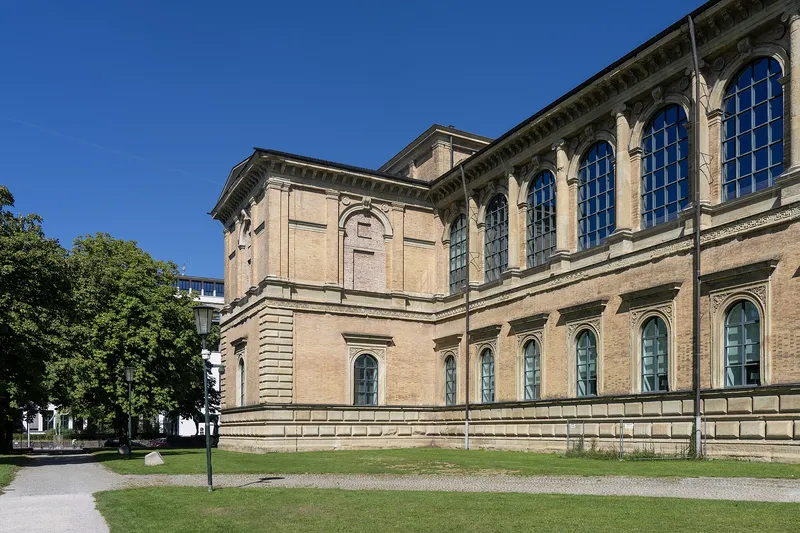
Alte Pinakothek, Munich
How to visit Munich's Old Masters gallery in the Kunstareal — the Dürers and Rubenses worth crossing town for, the Sunday-ticket angle, and how to build a wider museum-quarter day around it.
Read guide
Asamkirche, Munich
How to visit Munich's astonishing late-Baroque Asamkirche on Sendlinger Straße — the church two brothers built next to their own house — without overplanning it.
Read guide
Best Munich Tours
When a guided tour earns its place in a Munich trip — and which kind to pick. Old Town walks, food and beer crawls, football and BMW, the Third Reich history walk, and the big castle and Dachau day trips, weighed by time, cost and effort.
Read guide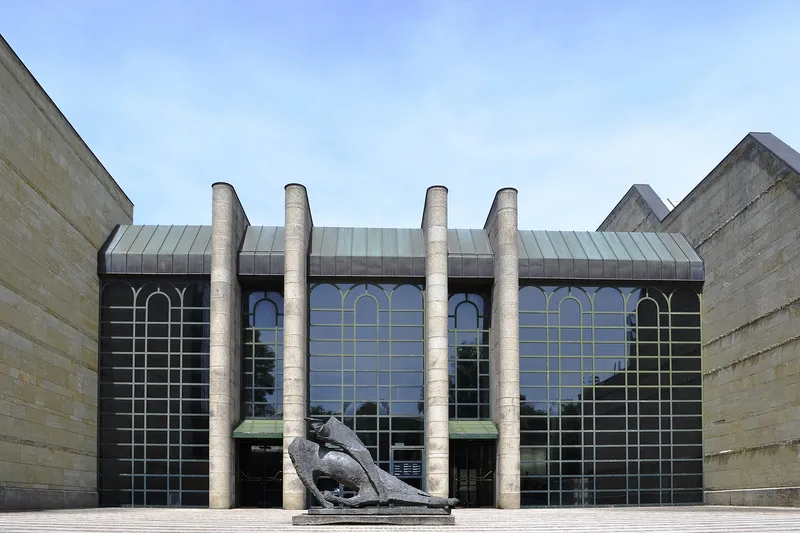
Best Museums in Munich
Choose the right Munich museum for you — by interest, by how much time you have, by which day of the week, and by how useful it is on a rainy day.
Read guide
Best Photography Spots in Munich
Rooftops, squares, churches, parks and palaces — the most photogenic places in Munich, with the light and timing notes to shoot each one well.
Read guide