
Kunstareal, Munich's Museum Quarter
How to plan a day in the Kunstareal — Munich's museum quarter in Maxvorstadt, from the three Pinakotheken and Brandhorst to the Lenbachhaus, Königsplatz and the cafés in between.
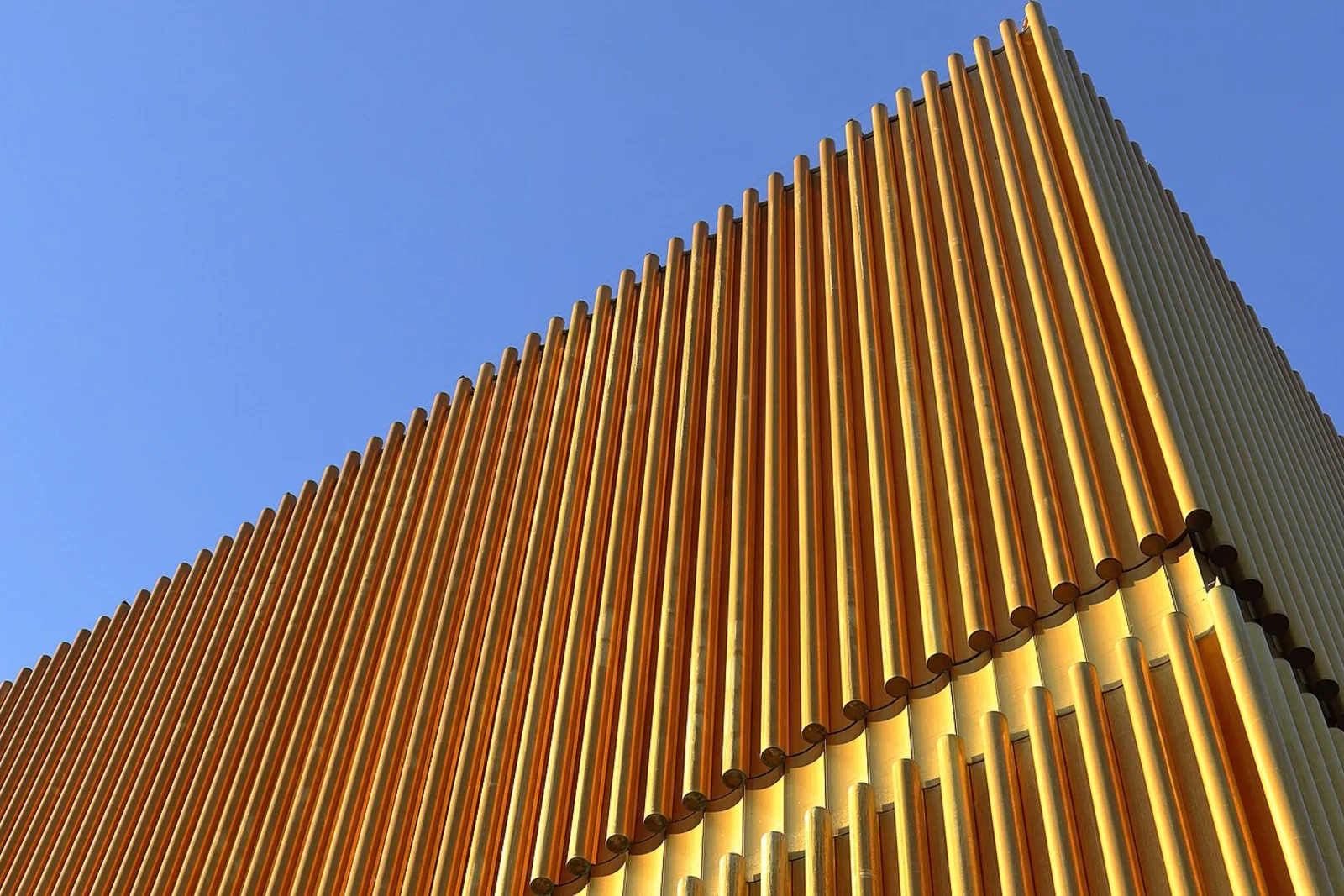
Photo: Martin Falbisoner / Wikimedia Commons · CC BY-SA 4.0

- ✓The Kunstareal packs around a dozen museums and collections into a few walkable blocks of Maxvorstadt — one of the densest concentrations of art in Europe.
- ✓It runs from the Old Masters of the Alte Pinakothek through nineteenth-century and modern art to the contemporary rooms of the Pinakothek der Moderne and Museum Brandhorst, with the Blue Rider at the Lenbachhaus and antiquities on Königsplatz.
- ✓Everything is within a five-to-ten-minute walk, so the smart plan is to pick one or two museums to go deep on rather than rush all of them.
- ✓Between galleries it's a real neighbourhood — student cafés, leafy streets and quiet squares — which makes a museum day here feel unhurried.
What the Kunstareal is
The Kunstareal — literally the 'art area' — is the museum quarter of Maxvorstadt, the studenty district just north-west of the Altstadt. Within a few hundred metres it gathers the great state painting collections, two ancient-sculpture museums, the city's Blue Rider holdings, design and architecture archives, graphic collections and several smaller specialist museums. It grew up around Königsplatz, the neoclassical square laid out under King Ludwig I, and spread north as the Pinakotheken were built; today it's marketed as a single quarter precisely because the right way to use it is as one connected stroll.
The headline draws are the four big art houses — the Alte Pinakothek (Old Masters), the Neue Pinakothek (nineteenth-century, currently closed for a long renovation), the Pinakothek der Moderne (modern and contemporary art, design and architecture) and the Museum Brandhorst (contemporary) — plus the Lenbachhaus on Königsplatz with its world-leading Blue Rider collection. Around them sit the Glyptothek and the Staatliche Antikensammlungen for Greek and Roman art, the NS-Dokumentationszentrum on the square's edge, and a scatter of smaller museums.
- Alte Pinakothek — European Old Masters across six centuries.
- Pinakothek der Moderne — modern and contemporary art, design, architecture and graphics under one dome.
- Museum Brandhorst — contemporary art, with a famous Twombly holding and a colour-rod facade.
- Lenbachhaus — the world's greatest Blue Rider collection in a yellow villa on Königsplatz.
- Glyptothek & Staatliche Antikensammlungen — Greek and Roman sculpture and vases framing Königsplatz.
- Neue Pinakothek — nineteenth-century art; closed for renovation, with key works shown elsewhere (verify the current status).
How to plan a day — don't try to do it all
The single most useful piece of advice for the Kunstareal is to resist completeness. The museums are close enough that you could in theory tick off four or five in a day, and you would remember almost none of them. Museum fatigue is real, and the art here deserves better. Instead, choose one major museum as your anchor — the one that matches your taste — and add one shorter, lighter museum to round out the day, with a coffee or a garden bench between them.
A few proven pairings: Old Masters lovers open at the Alte Pinakothek and finish on the contemporary calm of Brandhorst. Modernists do the Pinakothek der Moderne, then the Lenbachhaus for the Blue Rider. Anyone short on time but craving one unmissable experience could simply do the Lenbachhaus's Blaue Reiter rooms and call it a perfect morning. History-minded visitors might pair the Glyptothek's antiquities on Königsplatz with the NS-Dokumentationszentrum for a very different, sobering afternoon.
- Old Masters day: Alte Pinakothek → coffee → Museum Brandhorst.
- Modern day: Pinakothek der Moderne → Lenbachhaus (Blue Rider).
- Short on time: the Lenbachhaus's Blaue Reiter floors alone.
- History day: Glyptothek / Königsplatz → NS-Dokumentationszentrum.
Beyond the headliners — the smaller museums
Part of what makes the Kunstareal special is the depth beneath the famous names. Once you've chosen your anchor museums, the quarter rewards a little curiosity. The Glyptothek and Staatliche Antikensammlungen on Königsplatz cover ancient Greek and Roman art. The Museum Ägyptischer Kunst — the State Museum of Egyptian Art — hides much of itself underground near the Pinakotheken in a striking modern space. Smaller specialist collections of graphic art, coins, casts and minerals are scattered through the district, often free or very cheap, and frequently empty.
These quieter institutions are the antidote to museum overload. If the big galleries have left you saturated, a half-hour with the Egyptian collection or a wander through one of the university museums can be the most memorable part of the day precisely because you weren't expecting it. Don't try to plan them all — just leave room to follow your nose if a name catches your eye. As ever, opening days and admission for the smaller houses vary, so verify before relying on them.
At a glance
A quick planning reference for the quarter — confirm individual museums' hours, prices and any combined passes on their official sites, as these change.
- Where: Maxvorstadt, ~15 min walk north-west of Marienplatz; built around Königsplatz.
- Nearest transit: U2 Königsplatz (south edge), U3/U6 Universität (east edge), plus trams and buses.
- How many museums: realistically one or two 'deep' museums plus a coffee — not four.
- Cheapest day: a Sunday for the state-run Pinakotheken and Brandhorst (reduced rate) — verify; the city-run Lenbachhaus is separate.
- Closed to note: the Neue Pinakothek is shut for a long renovation — check where its key works are showing.
- Best for a pause: Maxvorstadt's student cafés, the Pinakothek der Moderne café, or a garden bench.
When to come, and how it feels through the year
Timing changes the quarter as much as your choice of museum does. Weekday mornings are calmest inside the galleries; a reduced-price Sunday is the busiest but the cheapest, and the squares fill with locals when the sun is out. Because almost everything here is indoors, the Kunstareal is also Munich's great rainy-day refuge — you can spend a grey afternoon entirely under cover, hopping between the galleries with a café in the middle, and never really notice the weather.
There's a seasonal pleasure to it, too. In summer the lawns around the Alte Pinakothek and on Königsplatz become open-air living rooms, and a museum morning followed by an hour on the grass is one of the most relaxed days Munich offers. In winter the quarter turns inward and studious, all warm galleries and steamed-up café windows. Whatever the season, treat the Kunstareal as a half- or full-day rhythm rather than a sprint between front doors, and you'll leave having actually seen something.

Tickets, the Sunday angle and combined passes
Most of the big art houses here belong to the Bayerische Staatsgemäldesammlungen — the Bavarian state painting collections — which has a long tradition of reduced Sunday admission at its museums. That makes a Sunday a genuinely cheaper day to visit the Pinakotheken and Brandhorst, though prices and the Sunday rate do change, so check the official portal before you plan around it (please verify). Note that the Lenbachhaus is run by the city, not the state, so the state Sunday rate does not automatically apply there.
If you intend to do several museums in a short trip, ask about any combined or quarter-wide ticket then in force, and look into the Munich tourist passes, some of which bundle Kunstareal museums — availability and terms shift, so verify the current options rather than assuming. Each museum also keeps its own weekly closing day and at least one late evening; the exact days differ between houses, which is another reason to confirm hours per-museum on the day you go.
Getting there, eating and resting between museums
The Kunstareal sits a short walk north-west of the Altstadt; on foot it's about fifteen minutes from Marienplatz. The U2 stops at Königsplatz on the quarter's southern edge, the U3/U6 stop at Universität to the east, and trams and buses thread the district — but honestly, once you're in it, everything is walkable. The quarter is laid out so that you rarely need transit between museums; the longest hop is a handful of minutes on foot.
Maxvorstadt is also where you eat well between galleries. The streets around the university and the Pinakotheken are full of student-priced cafés, bakeries and casual spots, the Pinakothek der Moderne has its own café, and on a fine day the Alte Pinakothek's lawn or the Lenbachhaus garden are pleasant places to pause. Build a long, slow coffee into the plan — it's the difference between enjoying the art and enduring it.
 Maxvorstadt neighbourhood guideThe district around the Kunstareal — cafés, hotels and the local feel.
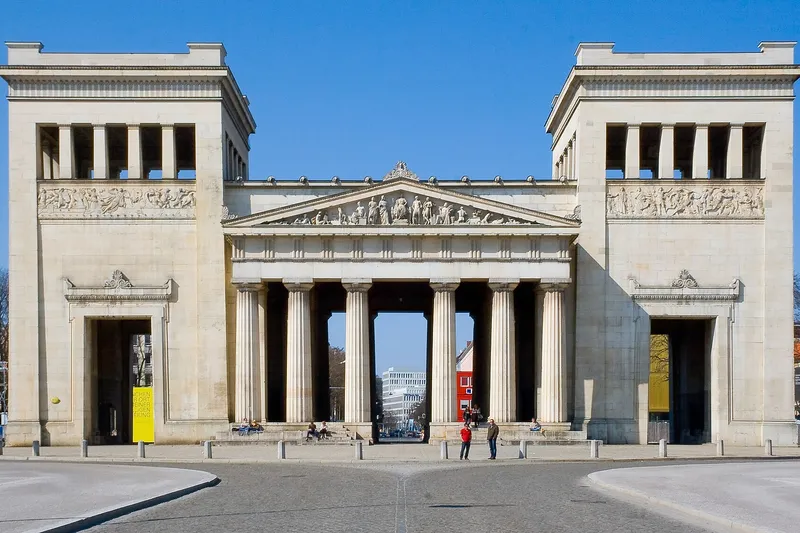 Königsplatz guideThe neoclassical square at the quarter's heart, with its antiquities museums and difficult history.
Map pins
Map data © OpenStreetMap contributors · Tiles © OpenFreeMap
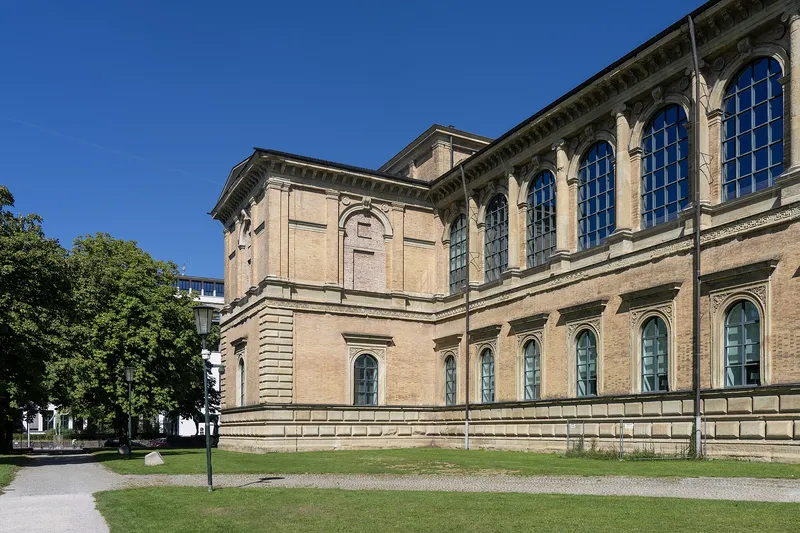
Alte Pinakothek, Munich
How to visit Munich's Old Masters gallery in the Kunstareal — the Dürers and Rubenses worth crossing town for, the Sunday-ticket angle, and how to build a wider museum-quarter day around it.
Read guide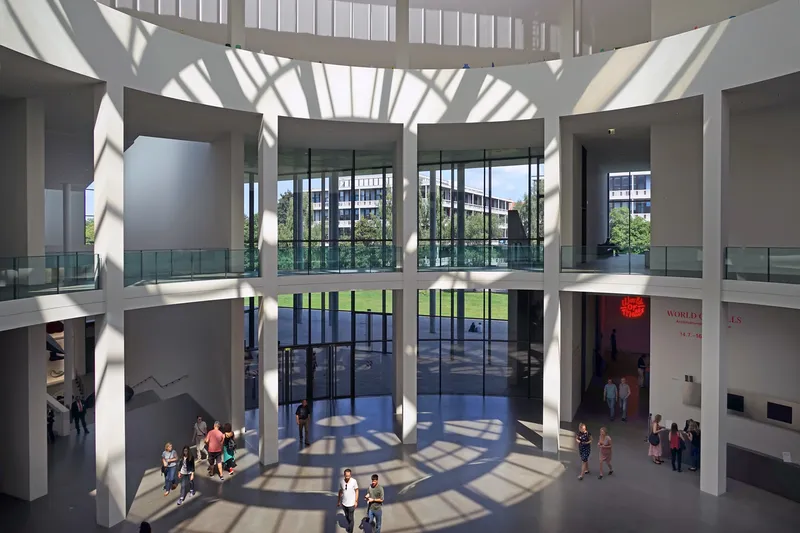
Pinakothek der Moderne, Munich
Four museums under one roof — modern art, design, architecture and works on paper — gathered around a soaring white rotunda in Munich's Kunstareal. How to see the best of it without overload.
Read guide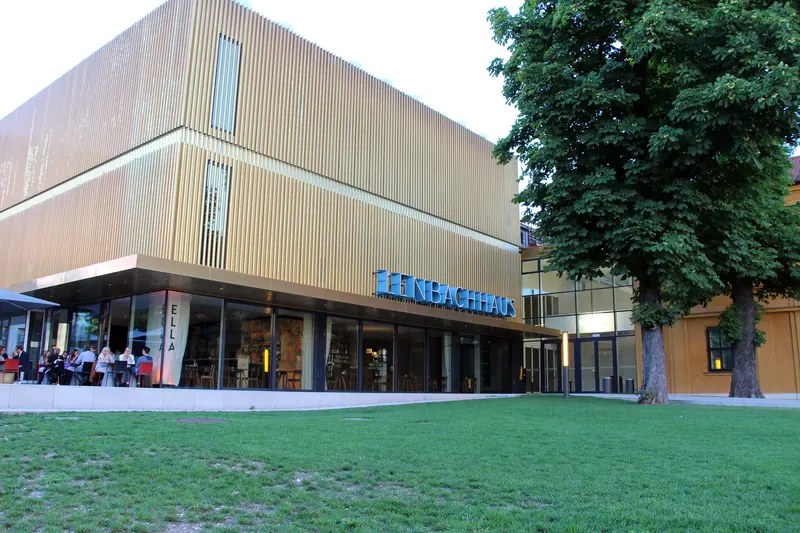
Lenbachhaus, Munich
A guide to the Lenbachhaus — home of the world's greatest Blue Rider collection — its sunflower-yellow villa, the Kandinsky and Münter rooms, tickets and an easy Kunstareal pairing.
Read guideMore in Things to Do
6
Allianz Arena, Munich
How to visit Munich's glowing football stadium — the self-guided Erlebnistour, the FC Bayern Museum, match-day logistics, and the easy U6 ride out to Fröttmaning.
Read guide
Asamkirche, Munich
How to visit Munich's astonishing late-Baroque Asamkirche on Sendlinger Straße — the church two brothers built next to their own house — without overplanning it.
Read guide
Best Munich Tours
When a guided tour earns its place in a Munich trip — and which kind to pick. Old Town walks, food and beer crawls, football and BMW, the Third Reich history walk, and the big castle and Dachau day trips, weighed by time, cost and effort.
Read guide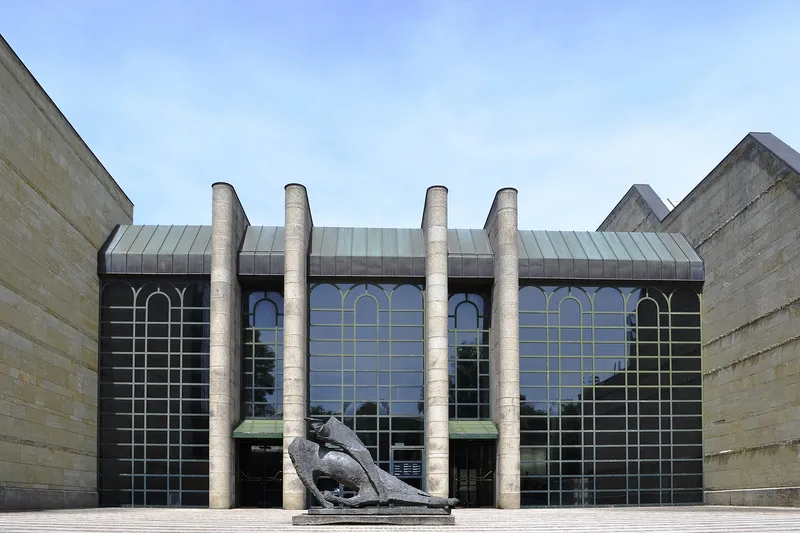
Best Museums in Munich
Choose the right Munich museum for you — by interest, by how much time you have, by which day of the week, and by how useful it is on a rainy day.
Read guide
Best Photography Spots in Munich
Rooftops, squares, churches, parks and palaces — the most photogenic places in Munich, with the light and timing notes to shoot each one well.
Read guide
Best Things to Do in Munich
A ranked first-trip shortlist — from Marienplatz and the Residenz to the beer gardens, the great museums and the English Garden.
Read guide