
Pinakothek der Moderne, Munich
Four museums under one roof — modern art, design, architecture and works on paper — gathered around a soaring white rotunda in Munich's Kunstareal. How to see the best of it without overload.
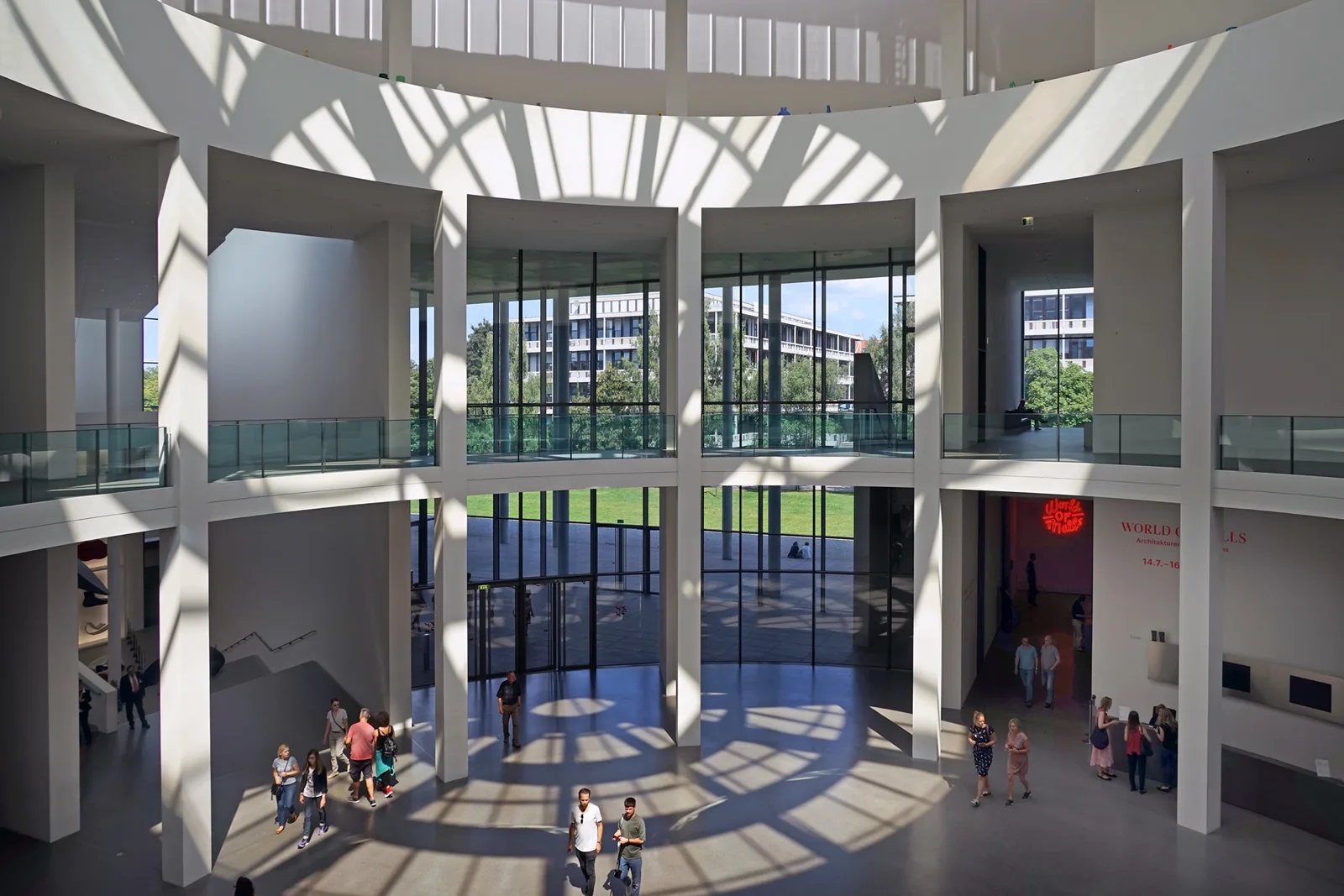
Photo: Jean-Pierre Dalbéra / Wikimedia Commons · CC BY 2.0

- ✓Munich's modern-art flagship gathers four collections under one roof: modern and contemporary art, design (Die Neue Sammlung), architecture, and works on paper.
- ✓Stephan Braunfels's airy white building opened in 2002, organised around a luminous central rotunda lit by a glass oculus — a piece of architecture worth visiting in its own right.
- ✓The design collection (Die Neue Sammlung) is one of the world's largest and best — cars, chairs, computers and a wall of historic typography that delights non-art-lovers.
- ✓It sits in the Kunstareal beside the Alte Pinakothek and the Brandhorst, so it slots straight into a museum-quarter day; a reduced Sunday admission has long applied (verify).
Four museums, one luminous roof
The Pinakothek der Moderne is the youngest and most ambitious of Munich's great galleries, and its trick is breadth: it brings four distinct collections together under a single roof, so a single ticket spans modern painting, industrial design, architecture and works on paper. Opened in 2002 to a design by Stephan Braunfels, the building completes the Pinakothek trio — Old Masters in the Alte, the 19th century in the Neue, the modern age here — and rounds out the Kunstareal as one of Europe's densest museum quarters.
Walk in and the building announces itself before any artwork does. The four collections orbit a vast circular rotunda, a white concrete-and-glass drum lit from above by a glass eye that pours daylight down the curving walls and the great staircases. It is one of the finest modern interiors in the city, and it does the gentle work of orientation: from the rotunda you can see, and choose, where to go. Many visitors come partly for the architecture, and that's a perfectly good reason.
The four collections are: the modern and contemporary art collection (Sammlung Moderne Kunst), the design museum Die Neue Sammlung, the architecture museum (Architekturmuseum der TU München), and the graphics collection (Staatliche Graphische Sammlung) of prints and drawings. They share the building but keep their own character — which is exactly why a plan helps.
Why four collections sit under one roof
The arrangement can puzzle first-time visitors — why would a museum of modern painting also house chairs, building models and a print room? The answer is partly Munich's history of collecting and partly a deliberate twentieth-century idea about modernity. The four institutions that share the building each grew up separately: the state's modern-art collection, the design museum Die Neue Sammlung (one of the oldest and largest of its kind anywhere, with roots stretching back to before the First World War), the architecture museum of the Technical University, and the centuries-old state graphics collection. Bringing them together in 2002 made a single argument — that painting, the designed object, the building and the printed image are all facets of the same modern visual culture, better understood side by side than siloed.
In practice this is the museum's secret strength. A visitor who finds gallery after gallery of abstract painting heavy going can cross the rotunda into Die Neue Sammlung and suddenly be delighted by a wall of typography, a Bauhaus teapot or a wall-mounted motorbike — and then return to the paintings with fresh eyes. It is, in other words, a museum that works for a mixed group, where not everyone wants the same thing. The design collection in particular is the great leveller: even committed art-sceptics tend to light up among the objects they half-recognise from everyday life.

What to see in each collection
Four museums in one is generous, but it's also a recipe for overload — try to truly see all four and you'll see none. Pick the one or two that pull you and give them real time. Here's what each does best.
- Modern & contemporary art — Picasso, the German Expressionists (Kirchner, Beckmann, the Blue Rider circle), surrealism, Bacon, Warhol and post-war abstraction through to living artists; the conventional "art museum" core.
- Die Neue Sammlung (design) — the headline act for many: one of the world's great design collections, with classic chairs, industrial objects, a striking display of automobiles and motorbikes, computers, jewellery and a celebrated wall of typography. Even people who don't love painting love this.
- Architecture (Architekturmuseum) — drawings, models and changing exhibitions on building and the city; small but rewarding, and the changing shows are often the best reason to revisit.
- Works on paper (Graphische Sammlung) — a deep collection of prints and drawings shown in rotating, light-sensitive displays from Dürer-era sheets to modern works; check what's hanging.
- The building itself — the rotunda, the oculus and the staircases are an exhibit in their own right; don't rush through them to reach the art.
How to visit without museum fatigue
The smart strategy here is restraint. Decide before you arrive which one or two collections you came for — for most travellers that's the modern art plus Die Neue Sammlung — and head there first while your attention is fresh. Treat the other two as bonuses to dip into if energy holds, not as obligations. Two collections done attentively over a couple of hours is a far better day than four endured in a blur.
Build in a pause. The building has a café and plenty of light, sittable space around the rotunda; use it to break the visit in half rather than pushing straight through. If you're combining the Pinakothek der Moderne with another Kunstareal house — and the quarter invites it — do the modern museum and one neighbour, not three. The Brandhorst next door (contemporary art, Cy Twombly, Andy Warhol) is the most natural pairing for contrast; the Alte Pinakothek is the classic counterpoint for an old-then-new arc.
Allow around two hours for a focused visit, half a day if you intend to roam all four collections. Families do well here too — the cars and design objects of Die Neue Sammlung hold children's attention better than rooms of painting — though there's no dedicated kids' zone of the kind the Deutsches Museum has.
If you're visiting as a couple, the Pinakothek der Moderne is one of the easiest galleries in the city to share, precisely because it offers four different moods under one roof. One of you can lose an hour among the chairs and typography while the other sits with the Expressionists; you meet at the rotunda café, compare what you found, and the conversation writes itself. The architecture itself sets the tone — all that white space and falling daylight is calming rather than imposing, and the building rarely feels crowded away from the headline exhibitions. It's an unshowy, civilised way to spend a Munich afternoon together.
A small tactical note on the changing exhibitions: each of the four collections mounts its own temporary shows, and these are often the real draw for return visitors — a design retrospective, an architecture survey, a focused print exhibition. They rotate frequently and some carry a separate or surcharged ticket, so if a current show is your main reason to come, confirm it's running and what it costs before you travel. The permanent collections, by contrast, are reliably worth the visit on their own.
Tickets, the Sunday rate and getting there
Admission covers all four collections on one ticket, and the Bavarian State museums have long offered a reduced Sunday rate that includes this house — historically a token sum — though the day and the amount are subject to change and special exhibitions are charged separately. Verify the current arrangement on the official site, and consider a combined Kunstareal or day-pass ticket if you mean to visit several museums. Note the weekly closing day, which can differ from the neighbouring galleries, so a quick hours check saves a wasted walk.
Getting there is simple: the Pinakothek der Moderne stands on Barer Straße in Maxvorstadt, ringed by U-Bahn stops (Universität, Theresienstraße, Königsplatz) and tram and bus lines, a short walk north of the old town. There's no need to drive. From Marienplatz it's a pleasant fifteen-minute walk or a couple of U-Bahn stops.
Round out the day the Munich way. The Kunstareal sits between the cafés of Maxvorstadt and the southern tip of the Englischer Garten, so you can move from the rotunda to a coffee to a beer garden in the space of an afternoon — modern art in the morning, chestnut shade and a Maß by evening.
On combined tickets, the same advice applies here as across the quarter: day-passes and Kunstareal bundles exist and can save money if you're visiting several houses, and Munich's city cards sometimes include or discount the state museums — but the terms change, so check your specific plan against single admissions before committing. Because the Pinakothek der Moderne's one ticket already spans four collections, it's unusually good value on its own, particularly on the reduced-admission Sunday; for many visitors a single Sunday ticket here delivers more variety than a multi-museum pass.
If you take only one thing from this guide, let it be the case for restraint. The Pinakothek der Moderne is generous to a fault — four museums, a landmark building, a busy exhibitions programme — and the temptation is to gorge. Resist it. Choose the collection that genuinely calls to you, give it real, unhurried attention, let the rotunda and a coffee reset you, and add a second only if appetite remains. Done that way, this becomes not an exhausting tick-list but one of the most rewarding and adaptable half-days in Munich — equally good for a design obsessive, an art lover, an architecture buff or a couple who simply want a beautiful, easy afternoon out of the weather.

At a glance
Location — Barer Straße 40, in Maxvorstadt's Kunstareal (nearest U-Bahn Universität, Theresienstraße or Königsplatz; trams and buses close by).
Type — four collections in one: modern/contemporary art, design (Die Neue Sammlung), architecture and works on paper.
Time needed — around two hours for a focused visit; half a day to roam all four collections.
Don't miss — Die Neue Sammlung's design and automobile displays, the Expressionist and Blue Rider rooms, and the central rotunda itself.
Good to know — one ticket covers all four collections; a reduced Sunday admission has long applied (verify); special shows cost extra; check the weekly closing day.
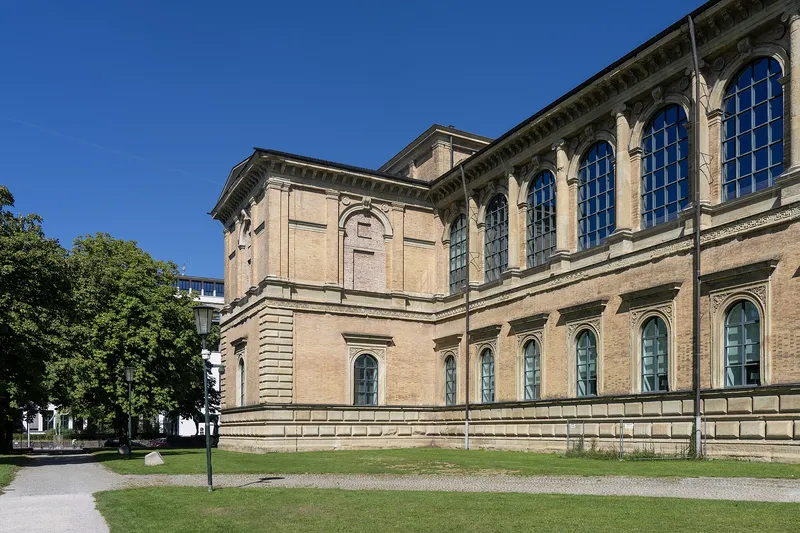
Alte Pinakothek, Munich
How to visit Munich's Old Masters gallery in the Kunstareal — the Dürers and Rubenses worth crossing town for, the Sunday-ticket angle, and how to build a wider museum-quarter day around it.
Read guide
Museum Brandhorst, Munich
A guide to Munich's contemporary-art museum — its colour-streaked facade, the Cy Twombly rooms, Andy Warhol, and how to pair Brandhorst with the Pinakotheken next door.
Read guide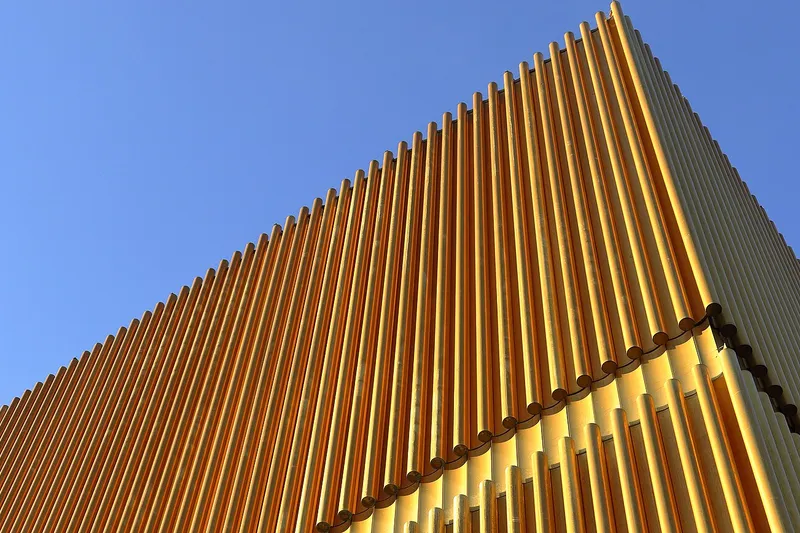
Kunstareal, Munich's Museum Quarter
How to plan a day in the Kunstareal — Munich's museum quarter in Maxvorstadt, from the three Pinakotheken and Brandhorst to the Lenbachhaus, Königsplatz and the cafés in between.
Read guideMore in Things to Do
6
Allianz Arena, Munich
How to visit Munich's glowing football stadium — the self-guided Erlebnistour, the FC Bayern Museum, match-day logistics, and the easy U6 ride out to Fröttmaning.
Read guide
Asamkirche, Munich
How to visit Munich's astonishing late-Baroque Asamkirche on Sendlinger Straße — the church two brothers built next to their own house — without overplanning it.
Read guide
Best Munich Tours
When a guided tour earns its place in a Munich trip — and which kind to pick. Old Town walks, food and beer crawls, football and BMW, the Third Reich history walk, and the big castle and Dachau day trips, weighed by time, cost and effort.
Read guide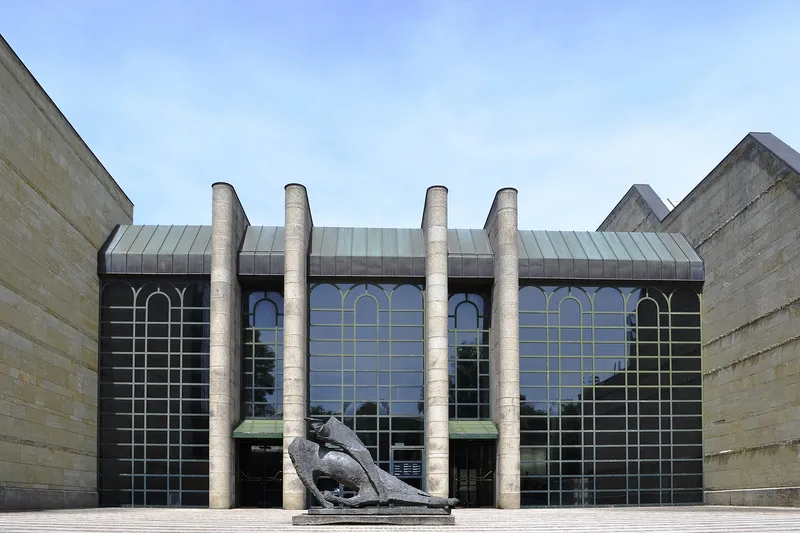
Best Museums in Munich
Choose the right Munich museum for you — by interest, by how much time you have, by which day of the week, and by how useful it is on a rainy day.
Read guide
Best Photography Spots in Munich
Rooftops, squares, churches, parks and palaces — the most photogenic places in Munich, with the light and timing notes to shoot each one well.
Read guide
Best Things to Do in Munich
A ranked first-trip shortlist — from Marienplatz and the Residenz to the beer gardens, the great museums and the English Garden.
Read guide