
Munich's Royal Palaces
How to choose between Munich's royal palaces — the Residenz in the heart of the city, Nymphenburg on its summer canal, and the fairy-tale castles a day trip away.

Photo: Bayern Lens / Unsplash

- ✓Munich was the seat of the Wittelsbachs for over 700 years, and their two great palaces — the city Residenz and the summer Nymphenburg — are both open to visit.
- ✓The Residenz is the wet-weather, in-the-centre choice; Nymphenburg is the grand garden day, a tram ride west.
- ✓Each comes with extras worth separate tickets — the Residenz Treasury and Cuvilliés Theatre, Nymphenburg's park pavilions and the Amalienburg.
- ✓If you want the fairy-tale castles, those are King Ludwig II's, out in the foothills — a full-day trip rather than a city sight.
One family, two palaces and a string of castles
Munich's palaces are the work of a single dynasty. The Wittelsbachs ruled Bavaria from 1180 until 1918 — more than seven centuries — first as dukes, then electors, finally as kings, and the buildings they left behind are the grandest sights in and around the city. For a visitor the practical question is simple: which to see, and in what order. This guide lines up the choices so you can pick by your time, your taste and the weather.
There are really three tiers. In the city itself sit the two palaces the dynasty actually lived in: the Residenz, their winter seat in the heart of the Old Town, and Schloss Nymphenburg, their summer palace a short ride west. Then, an hour or two beyond the city, lie the fairy-tale castles of the last and most famous king, Ludwig II — Neuschwanstein above all — which are a day trip, not a city sight. All hours and prices below shift with the season, so confirm the current details on the official sites before you plan a tight day around them.
1. The Residenz — the palace in the centre
If you only visit one palace, make it the Residenz. Behind a deliberately plain street facade off Max-Joseph-Platz hides the Wittelsbachs' city palace, grown over four centuries into one of Europe's most important interior museums: more than a hundred rooms of state apartments, the breathtaking barrel-vaulted Renaissance Antiquarium lined with antique busts, a shell-encrusted grotto courtyard, and gilded halls in every style from Renaissance to rococo to neoclassical. It is enormous, almost entirely indoors, and right in the middle of the Old Town — which makes it Munich's single best rainy-day sight and an easy half-day on foot from Marienplatz.
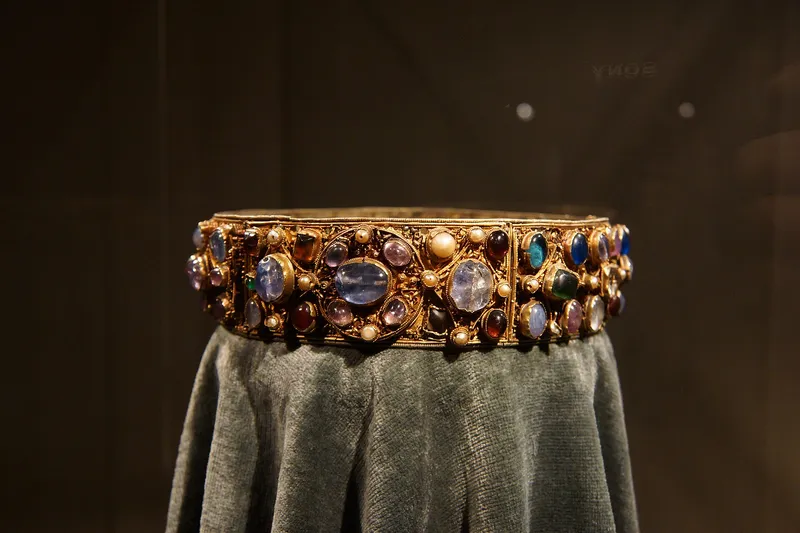
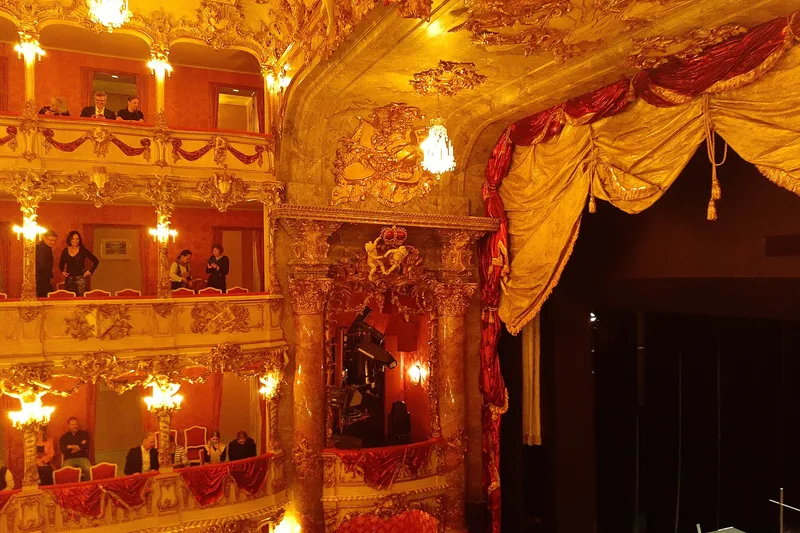
The Residenz comes with two superb extras, each a separate ticket. The Treasury (Schatzkammer) holds a thousand years of crowns, reliquaries, swords and goldwork, including the dazzling statuette of St. George. And tucked into one wing is the Cuvilliés Theatre, a perfect little rococo opera house of red, gold and tiered boxes — one of the most beautiful rooms in the city. Combination tickets bundle the palace, treasury and theatre; check the current pricing and which combinations are offered before you go.
- Best for: a deep, indoor, in-the-centre palace day — and rainy weather.
- Time needed: a half-day for the apartments; longer with Treasury and theatre.
- Don't miss: the Antiquarium, the grotto courtyard, the St. George statuette.
- Extras (separate tickets): the Treasury and the Cuvilliés Theatre.
- Getting there: walk from Marienplatz, or U3/U6 to Odeonsplatz.
2. Schloss Nymphenburg — the summer palace and its park
Nymphenburg is the grand outdoor counterpart to the Residenz: the Wittelsbachs' summer palace, built from the 1660s as a baroque retreat and now sitting in the western suburbs at the end of a tram line. Its long, pale frontage stretches for hundreds of metres along a central canal, and the approach — past the water, the swans and the formal forecourt — is one of the most photogenic walks in Munich. Inside, the great two-storey Steinerner Saal (Stone Hall) blazes with rococo frescoes, and Ludwig I's famous Gallery of Beauties hangs three dozen portraits of the women he admired.
The real magic, though, is the park behind. Free to enter and beautiful in every season, it spreads into formal parterres, a long canal you can sometimes skate in deep winter, and woodland hiding four small pleasure pavilions: the rococo Amalienburg hunting lodge (with its astonishing mirrored Hall of Mirrors), the Badenburg bathing house, the Pagodenburg and the Magdalenenklause hermitage. The pavilions need their own ticket and tend to open seasonally. Nymphenburg is the palace day to choose when the weather is fine and you want grandeur with room to breathe.
- Best for: a grand, garden-filled half-day on a fine-weather afternoon.
- Time needed: a half-day; longer if you tour the park pavilions.
- Don't miss: the Stone Hall, the Gallery of Beauties, the Amalienburg mirrors.
- Free part: the whole park and gardens — beautiful in any season.
- Getting there: tram west from the centre to Schloss Nymphenburg.

3. The fairy-tale castles — Ludwig II's day-trip palaces
The palaces most people picture when they think of Bavaria are not in Munich at all. They are the dream-castles of King Ludwig II, the reclusive 'fairy-tale king' who emptied the treasury building them in the 1870s and 80s before his mysterious death in 1886. The most famous, Neuschwanstein, rises on a crag in the Alpine foothills near Füssen, about two hours south of the city — the soaring, turreted silhouette that inspired Disney's castle. It is spectacular, and it is firmly a full-day trip with timed entry that books out far ahead.
Ludwig left others within reach of Munich too: Linderhof, his small, jewel-like palace in a mountain valley, and Herrenchiemsee, his unfinished homage to Versailles on an island in the Chiemsee lake. Any of these makes a memorable day out, but treat them as excursions, not city sights — you'll spend most of the day travelling, and a tight castle slot leaves little slack. If a fairy-tale castle is the one thing you can't miss, give it its own full day and book the entry the moment you have a date.
- Best for: travellers set on the fairy-tale silhouette, with a full day to give it.
- Time needed: a whole day — Neuschwanstein is ~2 hours each way.
- Book ahead: castle entry is timed and sells out; reserve well in advance.
- The trio: Neuschwanstein (the icon), Linderhof and island Herrenchiemsee.
- Reality check: it's an excursion, not a city palace — plan it as a day trip.
How to choose — and how to combine
For most first-time visitors the answer is the Residenz and Nymphenburg: between them they tell the whole Wittelsbach story, one indoors in the centre and one in a great garden a tram ride away, and neither needs you to leave Munich. A common, satisfying plan is the Residenz on a grey or tired day and Nymphenburg on a bright one — the city palace shelters you from the rain, the summer palace rewards the sun. You could do both in a single full day if you move briskly, but each comfortably fills a relaxed half-day on its own.
Add a fairy-tale castle only if you have a spare full day and it's genuinely the thing you came for, because it will cost you a city day in travel. If you're palace-hungry but time-poor, skip the out-of-town castles entirely and go deeper on the two in Munich instead — the Residenz Treasury and Cuvilliés Theatre, or Nymphenburg's park pavilions, add far more for far less effort than a two-hour each-way castle run.
- Short on time, want one palace: the Residenz (central, indoors).
- Fine weather, want grandeur and gardens: Nymphenburg.
- Both: Residenz on a grey day, Nymphenburg on a bright one.
- Set on the fairy-tale castle: give Neuschwanstein its own full day.
- Palace-hungry but time-poor: skip the castles, add the city extras instead.


A little Wittelsbach context — and where to feel it
The palaces make far more sense once you know the family behind them. The Wittelsbachs took Bavaria in 1180 and held it until the monarchy fell in 1918, accumulating titles — duke, then prince-elector, finally king after Napoleon redrew the map in 1806 — and rebuilding their seats to match each rise in status. That is why the Residenz feels like a city in itself: it grew by accretion over four centuries, each ruler adding wings, halls and styles, until it became the layered maze you walk today. Nymphenburg, begun to celebrate the birth of a long-awaited heir, is the summer counterpart, all baroque leisure and garden theatre.
You can read the dynasty across the city without buying a single palace ticket. The equestrian and royal monuments around Odeonsplatz and Wittelsbacherplatz, the Theatinerkirche raised as a Wittelsbach court church, the Hofgarten laid out behind the Residenz, and the family's burial places in the Theatinerkirche and the Frauenkirche all tell the same story in stone. If the palace interiors are the headline, these free, open corners are the connective tissue — worth noticing as you move between the two main sights.


Tickets, passes and getting around the palaces
Both city palaces are run by the Bavarian Palace Administration (Bayerische Schlösserverwaltung), the same body that manages Ludwig's castles — which matters because it offers annual and multi-site passes that can pay for themselves quickly if you intend to see several royal sites. Whether a pass is worth it depends on how many palaces you'll visit and over how many days, so price your planned list against the current pass terms before you buy (please verify, as both the passes and individual prices change). At the Residenz, remember the palace, the Treasury and the Cuvilliés Theatre are separate or combination tickets; at Nymphenburg, the palace and the park pavilions are ticketed separately and the pavilions usually open only seasonally.
Logistically the two could hardly be easier. The Residenz is a short walk from Marienplatz or a step from the U-Bahn at Odeonsplatz, entirely central and almost all indoors. Nymphenburg is a relaxing tram ride west of the centre, with the stop a short walk from the palace forecourt; the journey itself, through the western suburbs and into the parkland, is part of the pleasure. Neither needs a car, and neither rewards rushing — give each at least a half-day and let the grandeur sink in.
At a glance
A quick planning reference for the two city palaces — confirm hours, prices, combined tickets and the park pavilions' seasonal opening on the official sites, as these change.
- Residenz: central, almost all indoors, half-day+; best rainy-day palace.
- Residenz extras: Treasury and Cuvilliés Theatre (separate tickets).
- Nymphenburg: a tram west, palace + free park, best in fine weather.
- Nymphenburg extras: the Amalienburg and other park pavilions (seasonal).
- Castles (Neuschwanstein etc.): full-day trips, timed entry — book ahead.
- Run by the Bavarian Palace Administration; combined palace passes exist — verify.
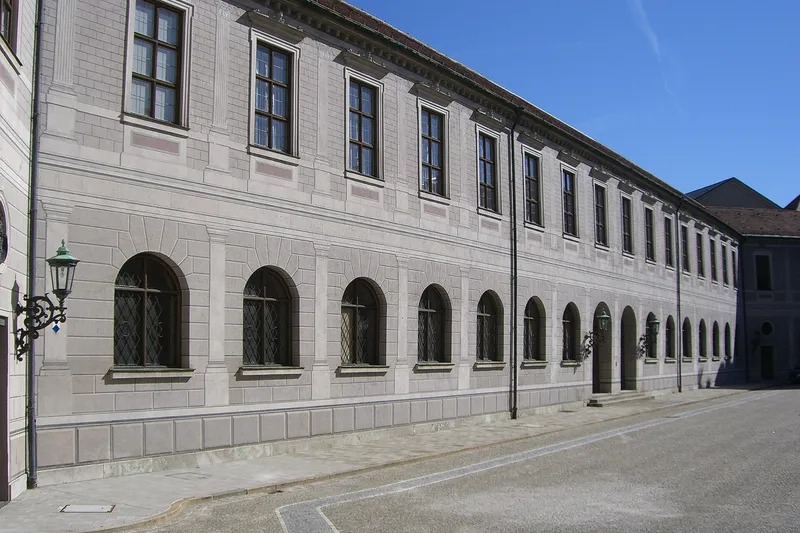
Munich Residenz
A room-by-room planning guide to the Residence Museum, the Treasury, the Cuvilliés Theatre and the Hofgarten — what to see, what to skip, and how to keep museum fatigue at bay.
Read guide
Nymphenburg Palace, Munich
Plan a visit to Munich's grand summer palace — the Stone Hall and royal rooms, the Marstallmuseum coaches, the porcelain, and the tram-and-walk approach down the canal.
Read guide
Neuschwanstein from Munich: How to Visit
The fairy-tale castle is the most popular day trip from Munich — and the one that most rewards planning. Here is the honest guide to trains versus tours, the timed-ticket system, and a realistic day-plan that doesn't end in a missed connection.
Read guideMore in Things to Do
6
Allianz Arena, Munich
How to visit Munich's glowing football stadium — the self-guided Erlebnistour, the FC Bayern Museum, match-day logistics, and the easy U6 ride out to Fröttmaning.
Read guide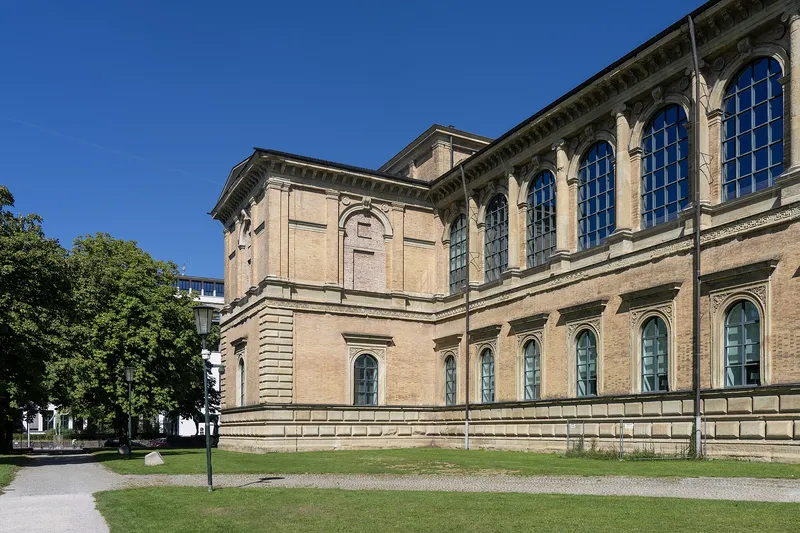
Alte Pinakothek, Munich
How to visit Munich's Old Masters gallery in the Kunstareal — the Dürers and Rubenses worth crossing town for, the Sunday-ticket angle, and how to build a wider museum-quarter day around it.
Read guide
Asamkirche, Munich
How to visit Munich's astonishing late-Baroque Asamkirche on Sendlinger Straße — the church two brothers built next to their own house — without overplanning it.
Read guide
Best Munich Tours
When a guided tour earns its place in a Munich trip — and which kind to pick. Old Town walks, food and beer crawls, football and BMW, the Third Reich history walk, and the big castle and Dachau day trips, weighed by time, cost and effort.
Read guide
Best Museums in Munich
Choose the right Munich museum for you — by interest, by how much time you have, by which day of the week, and by how useful it is on a rainy day.
Read guide
Best Photography Spots in Munich
Rooftops, squares, churches, parks and palaces — the most photogenic places in Munich, with the light and timing notes to shoot each one well.
Read guide