
Nymphenburg Park & Pavilions, Munich
A walking guide to Nymphenburg's gardens — the formal parterre, the canals and cascade, the swans, and the four jewel-box pavilions hidden in the English landscape park.

Photo: yeojin yun / Unsplash

- ✓The park covers around 180 hectares — a free-to-enter blend of formal French parterre near the palace and rambling English landscape garden beyond.
- ✓Four garden pavilions are hidden in the grounds: the Amalienburg (a Rococo hunting lodge), the Badenburg bath house, the Pagodenburg, and the deliberately ruined Magdalenenklause.
- ✓The Amalienburg's mirrored Hall of Mirrors is one of the finest Rococo interiors in Europe — small, silver-and-blue, and frequently overlooked.
- ✓A central canal runs the length of the park to a cascade; swans glide on it, and in hard winters it has been known to freeze for skating.
- ✓Entry to the park is free; the pavilions need a ticket and usually close for the winter season.
Two gardens in one: French order, then English freedom
Step behind Nymphenburg palace and the grounds open in two acts. Closest to the building is the Großes Parterre, the formal French garden — low clipped box hedges, gravel walks, fountains and Baroque statues laid out in strict symmetry, with the long central canal drawing the eye straight back toward a cascade at the far end. This is the dressed-up, photogenic part, best seen from the palace terrace where the geometry resolves.
Walk on and the formality dissolves. In the early 19th century the court gardener Friedrich Ludwig von Sckell — the same hand behind the English Garden in the city — reworked the outer grounds into a sweeping English landscape park: serpentine paths, two lakes, grassy clearings and stands of old trees that hide their surprises until you are almost upon them. The shift from rigid parterre to loose woodland in a single walk is the whole pleasure of the place, and it makes Nymphenburg one of Munich's great free wanders.
The park is open and free to enter, a genuine local space as much as a tourist one — dog-walkers, joggers and prams share it with palace visitors. Allow at least an hour to loop the near gardens; a half-day if you mean to track down all four pavilions.

The four pavilions: the secret jewels in the trees
Scattered through the park are four small pleasure buildings, each a self-contained world and each worth the detour. The Amalienburg, a single-storey Rococo hunting lodge by François de Cuvilliés, is the masterpiece: its circular Hall of Mirrors — silver stucco, pale blue walls and mirrored glass dissolving the room into infinite reflections — is among the most exquisite interiors in Europe, and astonishingly easy to have almost to yourself.
The Badenburg, by one of the lakes, was a bath house — its tiled, two-storey bathing hall was a luxury almost without parallel for the 1720s. The Pagodenburg is a tiny octagonal tea-and-rest pavilion dressed in fashionable chinoiserie and Delft tiles. And the Magdalenenklause is the strangest: a hermitage built deliberately as a fake ruin, a wealthy prince's retreat designed to look crumbling and penitential. Together they map the whole leisured imagination of the 18th-century Bavarian court.
The pavilions sit some distance apart, so factor in walking time. They require a ticket (often bundled into an all-sites Nymphenburg pass) and generally close over winter, when the park is quietest and most atmospheric but the interiors are shut — check the official site for current pavilion opening seasons, hours and prices before you set out (verify).
Quieter corners, the canal and the seasons
Because most palace visitors turn back at the parterre, the deeper park rewards anyone willing to keep walking. Follow the canal toward the cascade and you trade crowds for birdsong; the two lakes draw swans, ducks and grey herons, and the meadows are made for a book and a blanket. The Botanical Garden of Munich lies just to the north of the grounds for anyone who wants more horticulture (separate entry — verify hours).
The park turns with the year. Spring brings the parterre into bloom; high summer is for picnics on the meadows under heavy trees; autumn sets the English garden alight in copper and gold and is arguably the most beautiful time of all. In a genuinely cold winter the frozen canal has historically drawn skaters — a magical, weather-dependent local sight that you should never count on but can hope for. It is, in any season, one of the calmest romantic walks the city offers.

How the garden grew: from Baroque waterworks to landscape park
The park's split personality is a record of changing taste across more than two centuries. When the palace was a young summer residence in the late 1600s and early 1700s, its grounds were laid out in the grand French and Italian Baroque manner — rigid axes, geometric parterres, clipped allées and, above all, water as spectacle. The central canal and its cascade date from this ambition; an ingenious gravity-fed system, still partly working, drives the fountains and the cascade without pumps, fed from higher ground to the west.
By the early 19th century the Baroque style had fallen from fashion, and around 1804–1823 the court gardener Friedrich Ludwig von Sckell — fresh from creating the English Garden in the city — reimagined the outer grounds in the naturalistic English landscape style then sweeping Europe. Crucially, he did not erase the old garden but framed it: he kept the formal parterre and canal near the palace as a dressed centrepiece and let everything beyond melt into rolling lawns, lakes and serpentine paths. The result is a textbook of garden history you can walk in twenty minutes, Baroque order dissolving into Romantic freedom step by step.
Knowing this, the four pavilions read differently too — they are survivors of the earlier, formal pleasure-garden era, jewel-box destinations that the later landscaping simply rerouted its winding paths to discover. The whole park, in effect, is two gardens layered on one another, and the seam between them is where its magic lives.

Practical notes for families and walkers
The wide gravel paths near the palace suit prams and wheelchairs; the outer English-garden trails are gentler underfoot but longer, so plan a turnaround point with small children. There is no charge to enter, picnics are welcome on the lawns, and the swans and lakes make it an easy, low-cost outing with kids — pair it with the royal coaches and sleighs in the palace's Marstallmuseum for an afternoon that keeps everyone happy.
Bring water in summer (shade is plentiful but kiosks are few), and arrive via tram 17 to 'Schloss Nymphenburg' as for the palace, walking in down the canal. Leave time to simply sit: the point of a pleasure garden, after all, is to be unhurried in it.
Frequently asked questions
Is Nymphenburg park free to enter? Yes — the gardens are free and open as a public park, used daily by joggers, dog-walkers and families as much as by palace visitors. What is ticketed are the palace itself and the four garden pavilions (the Amalienburg, Badenburg, Pagodenburg and Magdalenenklause), which are usually bundled into an all-sites combination ticket. Confirm current admission and any combined-ticket prices on the official Bavarian Palace Administration site before you go.
How long should I allow for the gardens? Plan on at least an hour to loop the formal parterre and the canal near the palace, and a half-day if you mean to walk out into the English landscape park and track down all four pavilions, which sit some distance apart. Add more if you want to combine the gardens with the palace interiors and the royal-coach Marstallmuseum — together they make a comfortable full day.
When are the pavilions open? The four pavilions generally open from spring to mid-autumn and close over the winter, when the park is at its quietest and most atmospheric but the interiors are shut. Opening seasons, hours and prices change year to year, so check the official site before a dedicated visit — the Amalienburg's mirrored hall in particular is worth timing your trip around.
How do I get to Nymphenburg? Take tram 17 to the 'Schloss Nymphenburg' stop and walk in along the canal toward the palace — it is the most scenic approach. From the centre it is a straightforward ride, and the park is also reachable by bus and a short walk from the nearest S-Bahn. There is no need to book the gardens themselves; only the palace and pavilions need a ticket.
Is the park good for children and prams? Very. Entry is free, picnics are welcome on the lawns, and the lakes, swans and open meadows give children space to run. The wide gravel paths near the palace suit prams and wheelchairs; the outer landscape-park trails are longer and gentler underfoot, so plan a turnaround point with small children. Pair the gardens with the royal coaches in the Marstallmuseum for an easy family afternoon.
- Park entry is free; the palace and four pavilions are ticketed, often as a combined pass — verify prices.
- Allow an hour for the near gardens, a half-day for the full park and pavilions.
- Pavilions usually open spring to mid-autumn and close in winter — check the official site.
- Tram 17 to 'Schloss Nymphenburg', then walk in down the canal; pram-friendly near the palace.
At a glance
What it is: the ~180-hectare gardens behind Nymphenburg palace — free to enter.
Don't miss: the formal parterre and canal, and the Amalienburg's mirrored hall.
The four pavilions: Amalienburg, Badenburg, Pagodenburg, Magdalenenklause (ticketed; usually winter-closed — verify).
Time needed: an hour for the near gardens; a half-day for the full park and pavilions.
Getting there: tram 17 to 'Schloss Nymphenburg', then walk in down the canal.
Best season: autumn for colour; summer for picnics; a frozen canal in hard winters (never guaranteed).
- Designed in two styles — French parterre near the palace, English landscape park beyond, the latter by Sckell.
- Park entry is free; the four pavilions need a ticket and generally close over winter.
- Picnics welcome on the lawns; prams and wheelchairs do best on the wide near-palace gravel paths.

Nymphenburg Palace, Munich
Plan a visit to Munich's grand summer palace — the Stone Hall and royal rooms, the Marstallmuseum coaches, the porcelain, and the tram-and-walk approach down the canal.
Read guide
Romantic Walks in Munich
Five walks for two — the Nymphenburg canal, the English Garden to the Monopteros, the Isar river banks, the Hofgarten-to-Odeonsplatz loop and an Old Town evening route — with timings, golden-hour notes and where to stop.
Read guide
Munich With Kids: The Practical Survival Guide
The logistics behind a happy family trip — strollers on the U-Bahn and over cobbles, public toilets and changing, kid-friendly meals and timings, where to nap and how to build in breaks, plus the family hotel-area logic that saves the whole trip.
Read guideMore in Things to Do
6
Allianz Arena, Munich
How to visit Munich's glowing football stadium — the self-guided Erlebnistour, the FC Bayern Museum, match-day logistics, and the easy U6 ride out to Fröttmaning.
Read guide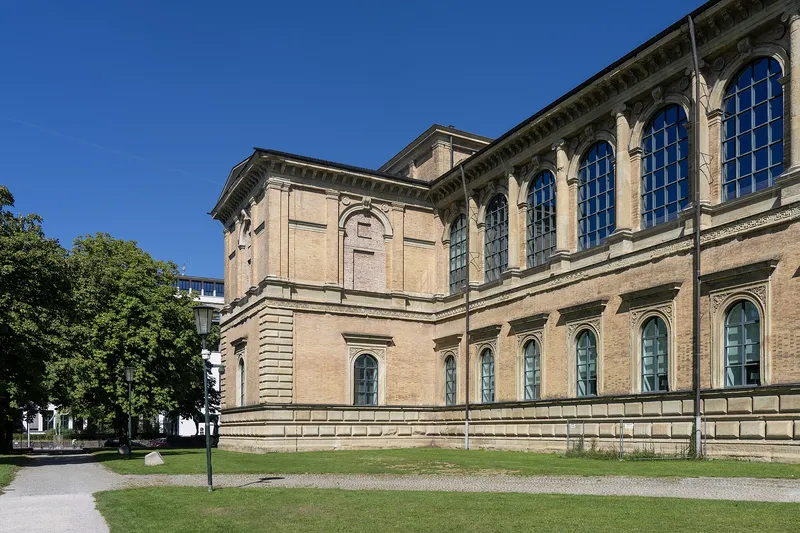
Alte Pinakothek, Munich
How to visit Munich's Old Masters gallery in the Kunstareal — the Dürers and Rubenses worth crossing town for, the Sunday-ticket angle, and how to build a wider museum-quarter day around it.
Read guide
Asamkirche, Munich
How to visit Munich's astonishing late-Baroque Asamkirche on Sendlinger Straße — the church two brothers built next to their own house — without overplanning it.
Read guide
Best Munich Tours
When a guided tour earns its place in a Munich trip — and which kind to pick. Old Town walks, food and beer crawls, football and BMW, the Third Reich history walk, and the big castle and Dachau day trips, weighed by time, cost and effort.
Read guide
Best Museums in Munich
Choose the right Munich museum for you — by interest, by how much time you have, by which day of the week, and by how useful it is on a rainy day.
Read guide
Best Photography Spots in Munich
Rooftops, squares, churches, parks and palaces — the most photogenic places in Munich, with the light and timing notes to shoot each one well.
Read guide