
Luxury Hotels in Munich
How to choose a high-end Munich stay by style and street — the grand-dame palace hotels of the Altstadt and Maximilianstraße, design-led boutiques, spa retreats and the quiet luxury of Lehel — with the practical detail that makes a splurge worth it.


- ✓Munich's true grand-dame hotels cluster in the Altstadt and along Maximilianstraße — within a few minutes' walk of the Residenz, the opera and the city's luxury shopping.
- ✓There are really four kinds of luxury stay here: the historic palace hotel, the design boutique, the spa-and-wellness retreat, and the quieter residential luxury of Lehel near the English Garden.
- ✓Location is the luxury that lasts: inside the Altstadt ring you can walk to almost everything, which matters more in Munich than a marble bathroom.
- ✓Prices swing hard with the calendar — Oktoberfest and the big trade fairs push the best hotels to their highest rates of the year, so timing is part of the budget.
- ✓Specific hotels, rates and amenities change constantly; treat any name below as a starting point and verify current details when you book.
What 'luxury' actually buys you in Munich
Munich wears its wealth quietly. This is a city of old money and serious industry, not flash, and its best hotels tend to reflect that: understated grandeur, impeccable service, a lot of dark wood and good linen, and very little shouting. A luxury stay here is less about a rooftop infinity pool and more about a perfectly run front desk, a breakfast that takes Bavarian produce seriously, and a position that lets you step out of the door into the heart of one of Europe's most liveable cities. If you arrive expecting Dubai theatrics you'll be puzzled; if you appreciate the restrained, expensive ease of a great Central European hotel, you'll be very happy.
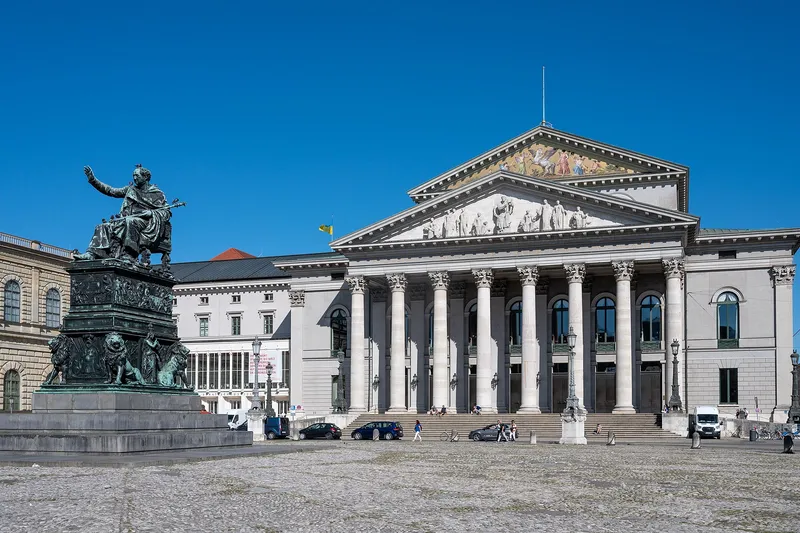
The single most valuable thing money buys you in Munich is location. The historic centre — the Altstadt, inside the old ring road — is compact, walkable and beautiful, and the closer you sleep to it the more of the city you can do on foot. The grand hotels understand this, which is why they sit where they do: a short stroll from Marienplatz, the Residenz, the National Theatre and the designer windows of Maximilianstraße. Pay for the address and you're really paying for time saved and a city handed to you on a plate.
It helps to know the four broad styles before you start comparing names. There are the historic 'grand-dame' palace hotels, with their gilded staircases and century of guest books. There are the design and boutique hotels, smaller and more contemporary, often in characterful older buildings. There are the spa-and-wellness hotels, where the point of the trip is the pool, the saunas and a slower pace. And there is the residential luxury of districts like Lehel — calmer, greener, a little removed from the crowds, for travellers who want quiet over a central postcode.
The grand-dame classics: Altstadt and Maximilianstraße
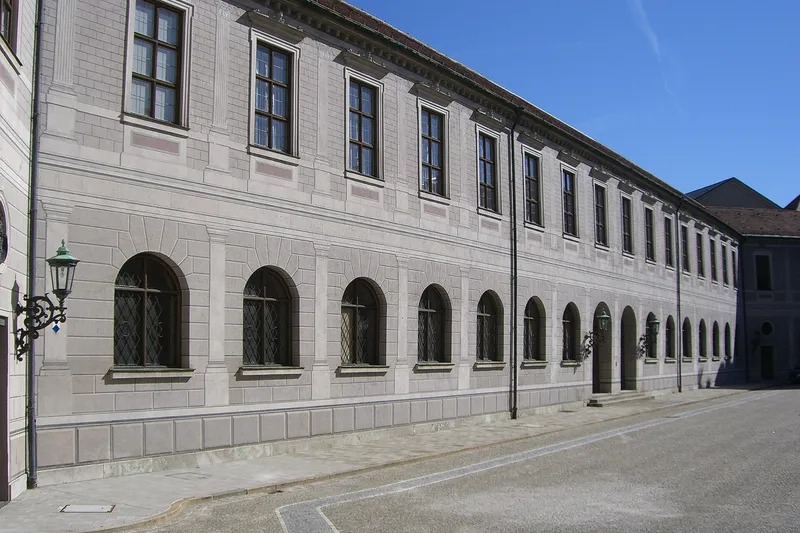
If you want the full historic-hotel experience, you want the old town and the opera district. Maximilianstraße — Munich's grandest boulevard, lined with flagship designer stores and anchored by the National Theatre and the Residenz — is the spiritual home of the city's luxury hotels, and the surrounding Altstadt streets hold the rest. This is the area for the storied names with a hundred-plus years of history, the kind of hotel where heads of state stay during conferences and the concierge can get you into a sold-out opera.
Two grande-dames define the tier. The Hotel Bayerischer Hof, on Promenadeplatz since 1841, is Munich's great institution — a vast, family-owned classic whose Spiegelsaal (Hall of Mirrors) survived the war and whose rooftop Blue Spa crowns the Old Town. A few minutes away, the Hotel Vier Jahreszeiten Kempinski has anchored Maximilianstraße since 1858. For a more contemporary five-star in the same central bracket, the Mandarin Oriental occupies a handsome Neo-Renaissance building in the Altstadt, with a celebrated summer rooftop pool. Rates and details change constantly, so treat these as orientation and verify the specifics when you book.
Staying here puts you inside the walkable core. You can have breakfast, wander to Marienplatz for the Glockenspiel, browse the Residenz, take in an afternoon at the Pinakotheken a tram-ride north, and be back for an aperitif without ever needing a taxi. For first-time visitors who can afford it and want the city's headline sights at their feet, this is the most efficient luxury base in Munich — the location does half the work of the holiday.
The trade-off is predictable: this is the most expensive ground in the city, and during Oktoberfest and the major trade fairs the grand hotels reach their peak rates and book out early. It can also be busy and, in the immediate Marienplatz blocks, touristy by day — though the streets quieten beautifully in the evening. If you're paying grand-dame prices, ask specifically about a quieter room away from the street side, and confirm what's included; breakfast and spa access vary by property and rate.

Design boutiques and quiet residential luxury
Not all of Munich's high-end stays are gilded and grand. A growing tier of design-led boutique hotels offers the same standard of service in a smaller, more contemporary key — often inside handsome older buildings, with strong restaurants, characterful bars and a more personal feel than the big classics. These suit travellers who find the grand-dame style a little formal and would rather have a forty-room hotel with a point of view. Two enduring examples sit right by the Viktualienmarkt: the Louis Hotel, a warm, art-filled design stay overlooking the market, and the Cortiina, which helped bring the design-hotel idea to Munich back in 2001 and occupies the quiet lanes just behind it. You'll find more scattered through the Altstadt and the smarter inner districts; Maxvorstadt, the museum quarter, is a particularly good hunting ground for stylish boutiques near the Pinakotheken.
For quiet, leafy luxury, look just east of the centre to Lehel. It's one of Munich's most refined residential neighbourhoods — handsome nineteenth-century streets, a short walk to the English Garden and the Eisbach wave, and an easy stroll across to the Altstadt and the museums of the Maximilianstraße end. Lehel gives you a calmer, more local-feeling base while keeping you genuinely central, which is why several discreet upper-tier hotels have settled there. If your idea of a good morning is a run in the English Garden before breakfast rather than a stroll past designer windows, Lehel is your district.
Couples after romance over grandeur should also look at the boutique end of the market specifically: smaller hotels with intimate bars and good in-house dining make for a better two-person trip than a vast business-leaning palace. We keep a dedicated guide to the most romantic stays, and another to the city's spa hotels, for exactly this reason.

Spa, wellness and slowing down
If the point of the trip is to decompress, prioritise the hotel over the postcode. A number of Munich's upper-tier hotels run serious spa and wellness floors — pools, saunas, steam rooms and treatment menus — and Germany takes its spa culture seriously, so the facilities are often genuinely good rather than a token gesture. For a city break built around rest, a central spa hotel lets you alternate gentle sightseeing with long afternoons in the water, which is a particularly good formula in winter or in Munich's grey, wet shoulder seasons.
A word on German sauna etiquette, because it surprises visitors: traditional German saunas are very often textile-free, and many are mixed. Hotels vary — some have swimwear-permitted or dedicated hours, some don't — so if this matters to you, check the specific hotel's spa rules before you book rather than assuming. It's a normal, well-signposted part of the culture, but worth knowing in advance.
Our separate spa-and-wellness guide goes deeper on which stays are built around their pools, and how to combine a spa hotel with the right amount of city. For a pure splurge with a romantic or wellness slant, that's the place to start narrowing names.


Matching the hotel to the trip you're taking
The most common luxury-booking mistake in Munich is choosing the most famous hotel rather than the most appropriate one — and because the city's grand hotels lean toward a formal, business-and-diplomacy register, that mismatch is easy to make. Before you fix on a name, decide what the trip is actually for, because the right answer changes completely with the occasion. A first-time sightseeing splurge, a romantic anniversary, a winter wellness escape and a high-end shopping weekend all point to different hotels in different parts of town, even at the same price.
For a first big trip where you want to see the city, weight the address above everything: a grand-dame hotel in the Altstadt or on Maximilianstraße puts the Residenz, Marienplatz, the opera and the museums within an easy walk, and the location does the heavy lifting. For a romantic stay, prioritise intimacy and atmosphere over scale — a smaller design hotel with a candlelit bar and a strong in-house kitchen makes a far better two-person trip than a vast lobby full of conference lanyards, which is exactly why we keep a separate romantic-hotels guide. For a restorative break, the spa floor matters more than the postcode, and Lehel or a quiet central street beats the busy Marienplatz blocks.
It's also worth being honest about what a luxury hotel can and can't fix. In Munich, no amount of money buys you out of the weather, the Sunday shop closures or the festival-week crowds — but a great concierge genuinely earns their keep here, getting you opera tickets, a table at a booked-out restaurant, a private museum or castle arrangement, or a smooth day trip to Neuschwanstein without the queues. If those things are the point of your splurge, the quality of the service desk matters more than the thread count, so ask, when you book, what the concierge can actually arrange.
Timing, prices and booking the splurge well
Munich hotel prices are seasonal and event-driven to an unusual degree, and at the luxury end the swings are dramatic. Oktoberfest, which runs roughly sixteen days from the third Saturday of September into early October, is the single biggest spike of the year — the best hotels sell out months ahead and charge accordingly. The city's major trade fairs (Munich is one of Europe's busiest convention destinations) cause sharp, sometimes unpredictable price jumps too, even outside the obvious tourist season. If you have date flexibility, avoiding those windows can roughly halve what you pay for the same room.
The quieter, better-value windows for a luxury stay tend to be the depths of winter outside the Christmas-market weeks, and the in-between stretches of spring and autumn when no festival or fair is on. A spa-led hotel is especially worth it in those cold, dark months, when the pool earns its keep. Always confirm exact dates against the official sources before committing — festival and fair dates move year to year.
Finally, the standard luxury-booking advice applies and pays off in Munich: book direct or via a programme that earns you something, ask about complimentary breakfast and spa access (they're often the difference between a good and a great rate), request a quiet room and a high floor away from the street, and tell the hotel if you're celebrating — Munich's better hotels respond generously to a quiet word about an anniversary or a birthday. Rates, inclusions and even which hotels are open change over time, so verify the current specifics when you book.

At a glance
What it covers: how to choose a high-end Munich hotel by style and location, not just by name.
The four styles: grand-dame palace hotels, design boutiques, spa-and-wellness retreats, and quiet residential luxury.
Best central base: the Altstadt and Maximilianstraße, walkable to the Residenz, the opera and the sights.
For quiet luxury: Lehel, by the English Garden — refined, leafy and still central.
Watch the calendar: Oktoberfest and the big trade fairs are the year's price peaks; book early or avoid them.
Best for: travellers who value location, service and restraint over flash, and who'll use a central address.
- Pay for location first — inside the Altstadt ring you can do most of Munich on foot.
- Ask about breakfast and spa inclusions, and request a quiet, high room away from the street.
- Check German sauna rules (often textile-free and mixed) at any spa hotel before you book.
- Hotel names, rates and amenities change — verify current details rather than relying on a fixed list.

Munich Neighborhoods Guide
A traveller's map of Munich's quarters — what each one feels like, what it's good for, and which to book. From the postcard Altstadt and museum-rich Maxvorstadt to leafy Lehel, bohemian Schwabing and the lively Glockenbachviertel, with the practical logic for choosing a base.
Read guide
Boutique Hotels in Munich
Where to find Munich's stylish smaller stays — the design-led boutiques of Maxvorstadt's museum quarter, the romantic Altstadt corners, and the bar-and-bistro hotels of the Glockenbachviertel — and how to pick the right one for your kind of trip.
Read guide
Romantic Hotels in Munich
Where couples should stay in Munich, by style rather than by name — the grand-dame classic, the design boutique, the spa-and-wellness retreat, and the quiet-luxe escape near the English Garden — with the practical detail that makes a romantic stay actually feel romantic.
Read guideMore in Neighborhoods
6
Altstadt Munich Guide
Munich's Old Town, the Altstadt, holds the city in miniature — Marienplatz and the Glockenspiel, the Frauenkirche, the Viktualienmarkt, the Residenz and the Hofbräuhaus, all inside a flat, walkable ring. Here's what to see, where to eat, where to stay, and how to sidestep the busiest hours.
Read guide
Around Olympiapark, Munich
The northern districts around Olympic Park, BMW Welt and the Olympic Village — a green, modern, family-friendly zone with strong transit links and easy reach of the Allianz Arena.
Read guide
Au, Munich
A local-feeling riverside quarter on the Isar's east bank — home to the thrice-yearly Auer Dult market, the Nockherberg and its strong-beer season, and quieter food and evenings away from the crowds.
Read guide
Best Area to Stay in Munich for a First Visit
A decisive, opinionated answer for first-timers — why the Altstadt (or its quiet fringe) is the right base for a first Munich trip, with Lehel, Maxvorstadt and Schwabing as the best alternatives and the station area as the value play.
Read guideBest Hotels in Munich
How to pick the right Munich hotel — curated shortlists organised by area, by style, by budget and by season, with a clear method for choosing rather than a stale list of names, plus deeper guides to luxury and budget stays.
Read guide
Budget Hotels in Munich
How to stay in Munich cheaply without ending up somewhere grim or remote — the best-value areas like Westend and the streets around the Hauptbahnhof, the hostel-versus-hotel calculation, and the transit trade-offs that decide whether a low price is actually a bargain.
Read guide