
Accessible Munich: A Step-Free Travel Guide
A realistic, planning-led guide to accessible Munich — step-free transport on the U-/S-Bahn and trams, museums and palaces with lift access, the cobbles and surfaces of the Old Town to plan around, and how to reach the city from the airport without stairs.
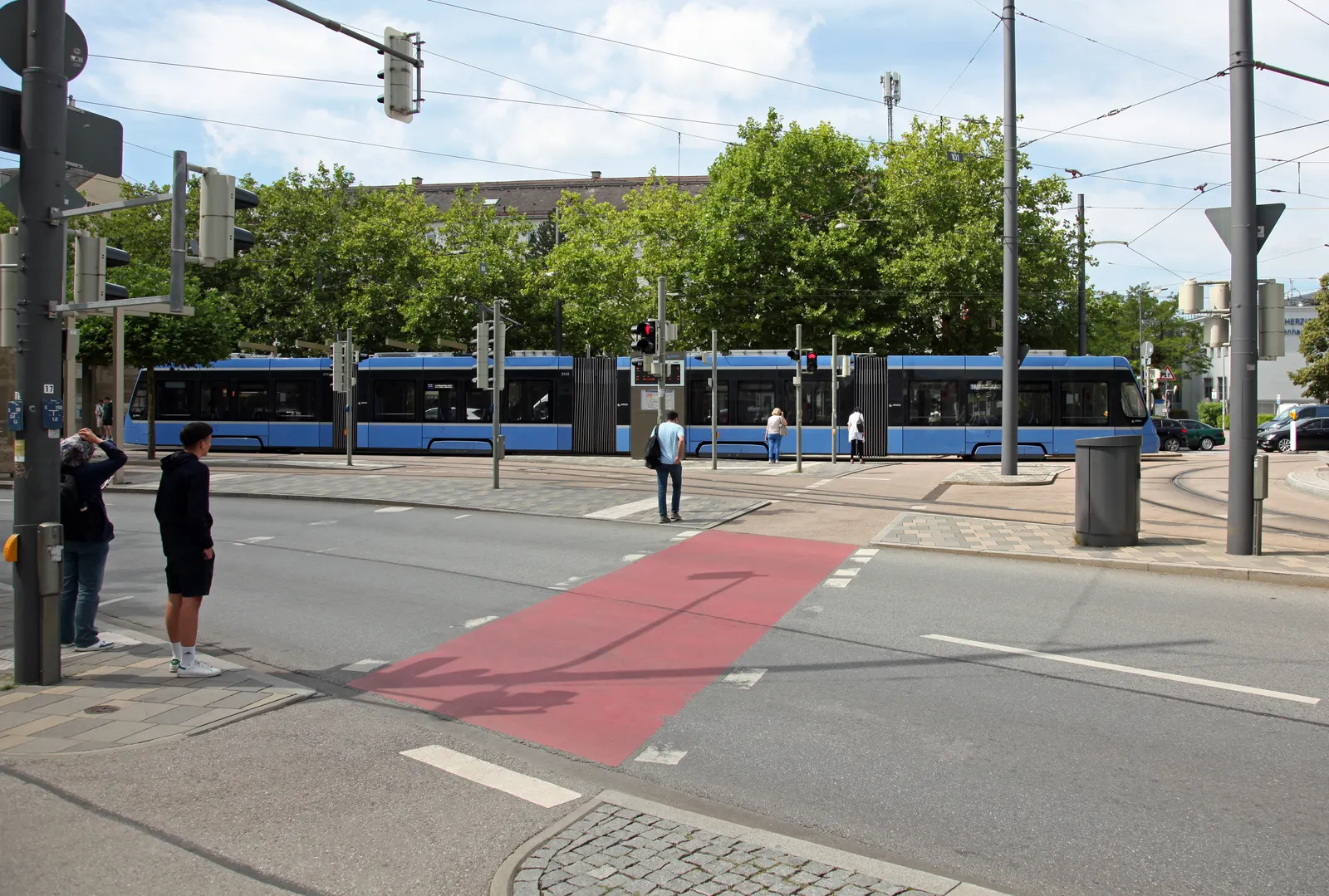
Photo: Marc-Lautenbacher / Wikimedia Commons · CC BY-SA 4.0

- ✓Munich's public transport is broadly step-free: most U-/S-Bahn stations have lifts, and modern low-floor trams and buses board at level with ramps.
- ✓The big museums — the Pinakotheken, the Deutsches Museum, the Residenz — are largely lift-served, though historic buildings always have caveats worth confirming.
- ✓The Old Town's charm comes on cobbles and the odd gentle slope; they're navigable but bumpy, so plan routes and rest stops accordingly.
- ✓From the airport, the S-Bahn is step-free with lifts at the airport and most central stations; the journey to the centre runs around 40–45 minutes.
- ✓Always verify the current status of specific lifts, ramps and entrances before you go — individual stations and historic sites occasionally have outages or partial access.
How accessible is Munich, really?
Munich is one of the more navigable major cities in Europe for travellers with reduced mobility, and German planning culture shows: transport is methodical, signage is clear, and step-free routes are designed in rather than bolted on. That said, no historic European city is frictionless, and honesty serves you better than reassurance — the medieval Old Town brings cobbles and the occasional slope, and a handful of older buildings and stations have access quirks. The trick is to plan around the few hard edges and let the city's genuine strengths carry the rest.
This guide is built for planning rather than promises. Surfaces, lift status and entrance arrangements are the volatile details that change with maintenance and renovation, so treat the specifics here as a route map and confirm the current state of any single lift, ramp or accessible entrance with the relevant operator or venue before you rely on it. With that one habit, Munich opens up generously.

Step-free transport: U-Bahn, S-Bahn, trams and buses
Munich's transit network (the MVV) is largely built for step-free travel. The great majority of U-Bahn and S-Bahn stations have lifts down to the platforms, and a wheelchair symbol on station signage and journey planners marks step-free stops; trains and platforms are designed to be close to level, though a small gap or height difference remains at some stations, where staff or a portable ramp can help. The modern trams and buses are low-floor with fold-out ramps at a designated door — look for the wheelchair symbol on the vehicle and board there.
Plan with the network's own tools, which let you filter for step-free (barrierefrei) routes and flag any stations where a lift is out of service — outages do happen, so checking on the day matters. If you need boarding assistance for longer-distance or regional trains, the railway operates an assistance service that you should book ahead. For point-to-point trips, Munich also has accessible taxis with ramps or lifts, which are worth pre-booking rather than hailing.
From the airport, step-free
Arriving with reduced mobility is straightforward. Munich Airport is modern and accessible, with assistance available on request through your airline, and the S-Bahn into the city (the S1 and S8 lines) is the practical step-free choice, reaching the centre in roughly forty to forty-five minutes. The airport stations and most central S-Bahn stops have lifts, and the trains are designed for level-ish boarding, with a portable ramp available where there's a gap. Book any boarding assistance you need in advance so it's waiting for you.
If a transfer with luggage and a wheelchair feels like a lot after a flight, accessible taxis and pre-booked transfer services run directly to central hotels and remove the platform-changing from the equation. Either way, plan the last leg — from your arrival station to your actual hotel door — in advance, since that final stretch is where surprises (a stationless lift, a kerb, a cobbled forecourt) tend to hide.
When you book your room, confirm the access details that journey planners can't see: a step-free entrance rather than a single front step, a lift to your floor, a bathroom you can actually use, and a quiet side away from the loudest streets. German hotels vary in what they label 'accessible', so a short email or call before you arrive is worth far more than a hopeful assumption — and it lets the hotel arrange any help with luggage or arrival timing.
Museums and palaces: what to expect
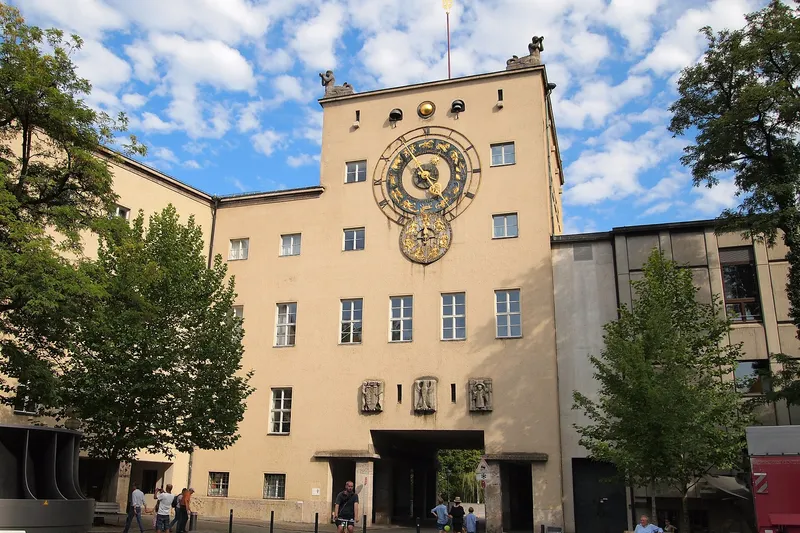
Munich's major museums are among its most accessible attractions. The art museums of the Kunstareal — the Alte Pinakothek, the Pinakothek der Moderne, the Brandhorst and the Lenbachhaus — are largely served by lifts across their floors, and the vast Deutsches Museum is generally well set up for wheelchair users, though a building of its scale always rewards a route plan and a stamina budget. Many museums offer reduced or free admission for a visitor with a disability and a free companion ticket, and lend wheelchairs at the cloakroom; confirm the current arrangements with each venue.
Historic royal sites need a little more care. The Residenz and Nymphenburg are working historic buildings, so while parts are lift-served and accessible, certain rooms, courtyards and upper levels may not be, and surfaces can be uneven; check each palace's specific accessibility page and, where offered, an accessible-route map before you visit. As a rule, the purpose-built modern museums give the smoothest day, and the palaces a beautiful but more caveated one.
The Old Town and outdoor sights: surfaces to plan around
The single most important real-world note: Munich's Old Town is beautiful partly because it's old, and that means cobbles, setts and the occasional gentle ramp or slope, especially around Marienplatz, the Viktualienmarkt and the side streets. None of it is a barrier in the strict sense — wheelchair users and people with prams cross it daily — but it's bumpy going, slower than smooth pavement, and worth pacing with rest stops. Many of the modern pedestrian thoroughfares and squares are smoothly paved, so where you can, route along those.
The green spaces are gentler. The English Garden and Hofgarten have long, mostly flat, well-surfaced main paths that make for excellent step-free strolls, and the Isar promenades offer smooth riverside routes. Some viewpoints and church towers are reached only by stairs and are not accessible, so choose ground-level viewpoints and the lift-served observation options instead, and confirm before making a special trip.


Accessible Munich FAQ
Is Munich's public transport wheelchair accessible? Largely yes — most U-/S-Bahn stations have lifts, and trams and buses are low-floor with ramps; use a step-free journey planner and check for lift outages on the day.
How do I get from the airport step-free? Take the S1 or S8 S-Bahn (around 40–45 minutes), which is step-free with lifts at the airport and most central stations, or pre-book an accessible taxi or transfer.
Are the big museums accessible? Most are well served by lifts, often with reduced or free admission for a disabled visitor and a companion; historic palaces like the Residenz and Nymphenburg are partly accessible — verify per venue.
What about the Old Town cobbles? They're navigable but bumpy and slower; plan rest stops, prefer smoothly paved streets where possible, and use flat park paths for longer outdoor stretches.
Where can I confirm details? Use the transport operator's and each venue's official accessibility pages, since lift status, ramps and entrances change with maintenance and renovation.
- Most U-/S-Bahn stations have lifts; trams and buses board level via a marked ramp door.
- Book railway boarding assistance and accessible taxis ahead rather than relying on the day.
- Many museums offer reduced/free entry for a disabled visitor plus a free companion — confirm per venue.
- Old Town = cobbles and gentle slopes; parks and modern squares give the smoothest routes.
- Lift outages, ramps and accessible entrances change — always verify current status before you rely on it.

Munich Public Transport Guide
How Munich's MVV network actually works for visitors — the U-Bahn, S-Bahn, trams and buses on one ticket, the zone system, validation, the apps that make it painless, and the small habits that mark you out as someone who knows the city.
Read guide
Best Museums in Munich
Choose the right Munich museum for you — by interest, by how much time you have, by which day of the week, and by how useful it is on a rainy day.
Read guide
Munich Airport to the City Centre
How to get from Munich Airport to the city centre — the S-Bahn lines and tickets, the express bus, taxis and private transfers, and a simple decision guide for which to take.
Read guideMore in Travel Tips
6
Best Time to Visit Munich
When to come to Munich, season by season and month by month — the tradeoffs of weather, crowds, prices and what's on, from beer-garden summers to the snow-lit Christmas markets.
Read guide
Bike Rental in Munich
How to rent a bike in Munich — rental shops versus the city's public bike-share — where to ride along the Isar and through the English Garden, the lane and traffic rules that keep you safe, and the loveliest easy routes.
Read guide
Driving & Parking in Munich
Whether you need a car in Munich at all, the low-emission Umweltzone rule, parking zones, garages and Park & Ride, and the smarter strategy: ditch the car in the city and rent only for the day trip.
Read guide
Getting Around Munich
The full picture of moving around Munich — why you'll walk more than you expect, when to take the U-Bahn or a tram, how the city's flat streets reward a bike, when a taxi or rideshare earns its keep, and the firm case for leaving the car at home.
Read guide
Is Munich Safe? A Visitor's Safety Guide
An honest, common-sense read on safety in Munich — how safe the city really is, the few situations to keep your wits about (the station area, festival crowds, pickpockets, cycling), the scams to ignore and the emergency numbers worth memorising.
Read guide
Money & Tipping in Munich
How money works in Munich — cards versus cash, ATMs and fees, how much to tip and the correct way to do it, receipts, and the small habits that keep paying friction-free.
Read guide