
Munich in February: Winter at Its Quietest and Coziest
February is Munich's deep-winter month — cold, often grey, sometimes gloriously snowy, and blissfully short of tourists. It's the season for warm museums, candlelit beer halls, the opera, a Föhn-clear view of the Alps and an easy day on the ski slopes. Here's how to make a romantic, low-season trip of it.


- ✓February is properly cold — typically around freezing, with daytime highs often a few degrees either side of it — so it's a layers-and-warm-boots month, but the low season means short queues and softer hotel prices.
- ✓It's the heart of indoor Munich: the Pinakotheken and the Deutsches Museum, candlelit beer halls, the opera and the city's warm cafés are all at their most inviting when it's grey outside.
- ✓Carnival — Fasching — peaks in February, livening the Viktualienmarkt and the streets in the days before Lent, though Munich keeps it more genteel than the wilder Rhineland.
- ✓On a Föhn day the warm Alpine wind clears the sky and the mountains seem close enough to touch — the cue to grab a train south and put a day on the snow.
What February in Munich actually feels like
February is winter without apology. Expect cold — temperatures hovering around freezing, frequent grey skies, the chance of crisp snow that turns the Altstadt into a postcard and the equal chance of damp, dim days that send you indoors. Daylight is still short, though it lengthens noticeably through the month, and the city wears its quiet beautifully: fewer crowds on Marienplatz, room to breathe in the museums, and that particular northern-European pleasure of stepping out of the cold into somewhere warm and golden-lit.
This is, frankly, the connoisseur's month. The travellers who come in February come for the city itself rather than the festival calendar, and Munich repays them with space and stillness. For a couple, there's a real romance to it — frosted park paths, a shared Maß in a steamy beer hall, the warm dark of the opera, and the whole place feeling a little more like a city you've been let into than one you're queuing to see. Pack properly for the cold and the rest takes care of itself.

Where February sends you indoors — happily
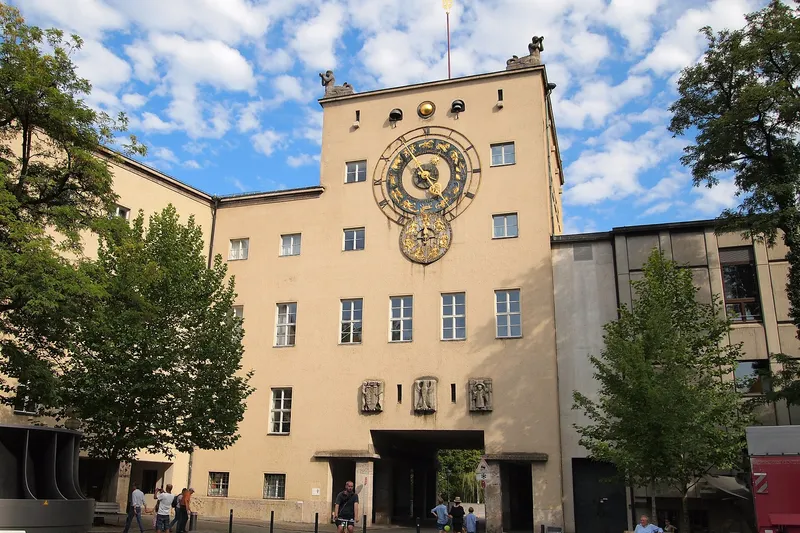
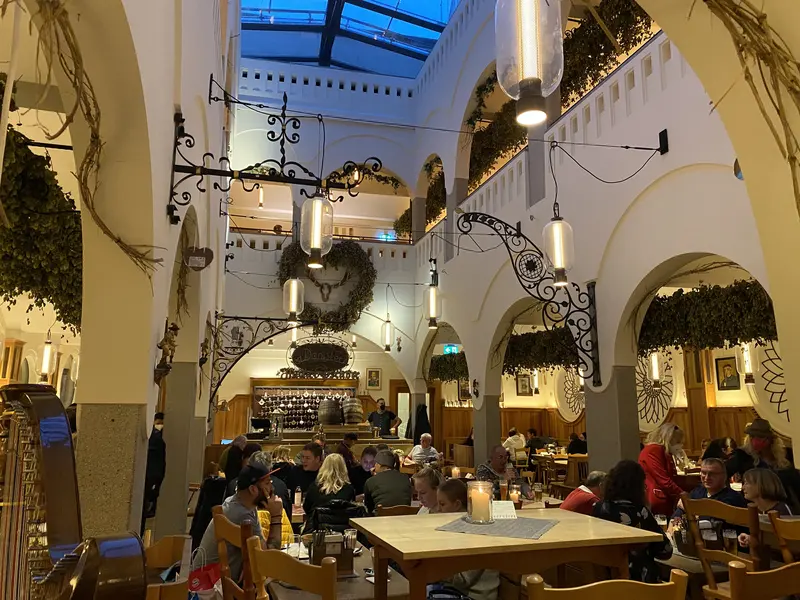
Cold months are made for Munich's interiors, and there are wonderful ones. The Kunstareal museum quarter — the Alte Pinakothek's Old Masters, the modern collections nearby — is a perfect grey-day refuge, and the vast Deutsches Museum can swallow a whole wet afternoon and leave you wanting more. When you want warmth of a different kind, the historic beer halls come into their own: low ceilings, long tables, the smell of roast pork and the comfortable roar of a room that doesn't care what the weather is doing outside.
Evenings are where February quietly shines. This is full opera-and-concert season, and a night at the opera or a candlelit dinner in a small Glockenbach restaurant is exactly the sort of thing the month is built for. Plan your days around an indoor anchor or two and let the cold be an excuse rather than an obstacle — there's no better time to give the museums and the music the unhurried attention they deserve.
The cafés deserve a mention of their own. Munich's coffee-house culture is at its most appealing in winter, when stepping in from the cold to a warm room, a slice of cake and a long, slow coffee is half the point of being out at all. The historic Altstadt cafés and the cosier Schwabing and Glockenbach spots are made for an unrushed February afternoon — a place to thaw, watch the grey light fade and plan the evening over something warm. It's an easy, gentle pleasure, and one the locals lean into all winter.

Fasching — Munich's carnival
February usually brings the climax of Fasching, the Bavarian carnival season that runs from Epiphany to the start of Lent. Munich's version is gentler than the riotous Karneval of Cologne, but the final stretch — the days around Rose Monday and Shrove Tuesday — livens the city with costumes, street dancing and a festive crush at the Viktualienmarkt, where the market women traditionally dance on Shrove Tuesday to close the season. It's playful rather than overwhelming, and a happy bit of warmth in the coldest part of the year.
Because the date of Lent shifts each year, Fasching can fall in February or spill into early March, so check the exact dates for your trip. If you're after the costumes and the dancing, aim for the last week before Ash Wednesday; if you'd rather a quieter city, the earlier part of February is calmer. Either way, it's a small, local kind of festivity — no tickets, no tents, just the city letting its hair down before the long Lenten stretch.
A day on the snow, and the Föhn
One of Munich's quiet luxuries is how close the Alps are. February is firmly ski season, and the mountains south of the city are reachable for a day on the snow or simply a day in glorious Alpine scenery. Garmisch and the Zugspitze area sit at the end of a manageable train ride, and on a clear day the contrast — leaving a grey city for bright snow under blue sky — is one of the great winter pleasures of being based in Munich. Even without skis, the cog railway and cable cars to Germany's highest point make a memorable cold-weather outing.
Watch for the Föhn — the warm, dry down-slope wind that occasionally sweeps in from the south and clears the air so completely that the Alps loom on the horizon from the middle of the city. Föhn days are unmistakable: sudden mildness, an almost theatrical clarity, and locals either elated or complaining of headaches. They're the perfect cue to head for the mountains or simply climb a tower for the view. Always check current snow, weather and railway conditions before you commit to a winter mountain day.
Practical notes for a February trip
Pack for genuine cold: a proper winter coat, hat, gloves, scarf and warm, waterproof footwear for slush and the occasional snow. Layers matter, because you'll be moving between freezing streets and very warm interiors all day. Daylight is limited but growing, so front-load any outdoor sightseeing — a tower climb, a frosty walk in the English Garden — into the brighter middle of the day and save the museums, halls and opera for the long evenings.
On the upside, February is one of the better-value months to visit: hotel rates are generally softer than in the summer and festival peaks, and you'll rarely queue for anything. Beer gardens are mostly closed or running only their indoor cellars, so plan your eating and drinking around the halls and restaurants rather than the gardens. As always, confirm opening hours, festival dates and any seasonal closures before you go — winter schedules can be shorter than the summer ones.
At a glance: Munich in February
A quick planning reference. Treat temperatures as typical rather than guaranteed, and verify anything date-sensitive — Fasching dates, opening hours, mountain conditions — before you travel.
- Weather: cold, around freezing, often grey with a real chance of snow; short but lengthening daylight.
- Crowds: low season — quiet streets, short queues, room in the museums.
- Best for: warm museums, beer halls, opera, a romantic low-season city break and Alpine ski days.
- Don't miss: Fasching's pre-Lent dancing at the Viktualienmarkt (date varies year to year).
- Watch for: a Föhn day — clear skies and close-looking Alps; ideal for a mountain trip or a tower view.
- Value: among the cheaper, quieter months to visit; beer gardens mostly closed, so plan around indoor spots.
Sources

Munich by Month: A Year-Round Planning Guide
Munich changes character completely through the year, and the right month depends on whether you've come for beer gardens, festivals or snow. This is the index to the month-by-month guides — weather, crowds, what's on, and the hotel and booking strategy for each.
Read guide
Best Time to Visit Munich
When to come to Munich, season by season and month by month — the tradeoffs of weather, crowds, prices and what's on, from beer-garden summers to the snow-lit Christmas markets.
Read guide
The Zugspitze and Eibsee from Munich
Germany's highest peak rises less than two hours from Munich, reachable by cog railway and cable car, with the meltwater-turquoise Eibsee at its foot. Here is how to plan the ascent — the routes, the tickets, and the one factor that decides everything: the weather.
Read guideMore in Munich by Month
6
Munich in April: Blossom, Beer Gardens and the Frühlingsfest
April is when Munich properly wakes up. The beer gardens reopen, the palace gardens burst into blossom, the Frühlingsfest brings a little spring fairground to the Theresienwiese, and the days grow long and bright — though the weather keeps its famous April habit of changing its mind. A lovely, lively, slightly unpredictable time to visit.
Read guide
Munich in August: Warm Days, Beer Gardens and Lakeside Escapes
August is summer at its most relaxed in Munich. The weather is warm, the beer gardens and river beaches are in full swing, and with many locals away on holiday the city itself can feel a touch calmer than July — while the Bavarian lakes are at their swimmable best. It's a warm, easygoing, family-friendly month, ideal for slow days outdoors and short trips to the water.
Read guide
Munich in December: Christmas Markets, Lights and Festive Bavaria
December is Munich at its most magical — the Christkindlmarkt glowing on Marienplatz, Glühwein under a towering lit tree, palaces and churches dressed for winter, and the whole city wrapped in lights and the smell of roasted almonds. Here's what to expect from the weather, what's on, what to eat, and how to plan a festive Munich trip well.
Read guide
Munich in January: Snow, Cosy Museums and Low-Season Value
January is Munich at its quietest and most affordable — cold and often snowy, with the Christmas crowds gone home and the city's museums, churches and warm interiors all to yourself. Here's what to expect from the weather, what's open, what's on, and how to make the most of the low season.
Read guide
Munich in July: Summer Parks, River Days and the Opera Festival
July is Munich at its warmest and most outdoor-minded. The beer gardens are full, the Eisbach surfers draw crowds, the Isar turns into the city's river beach, and the Opernfestspiele bring world-class opera to the heart of the Altstadt. Long, light-soaked evenings — with the odd dramatic afternoon thunderstorm — make it one of the loveliest, liveliest months to visit.
Read guide
Munich in June: Long Days, Festivals and the City Outdoors
June brings Munich its longest days and a full, generous summer: warm weather, festival season opening with Tollwood Summer, the start of the opera festival, river days on the Isar and beer gardens that don't empty until late. It's busy and joyful, with only the odd thunderstorm to keep the heat honest.
Read guide